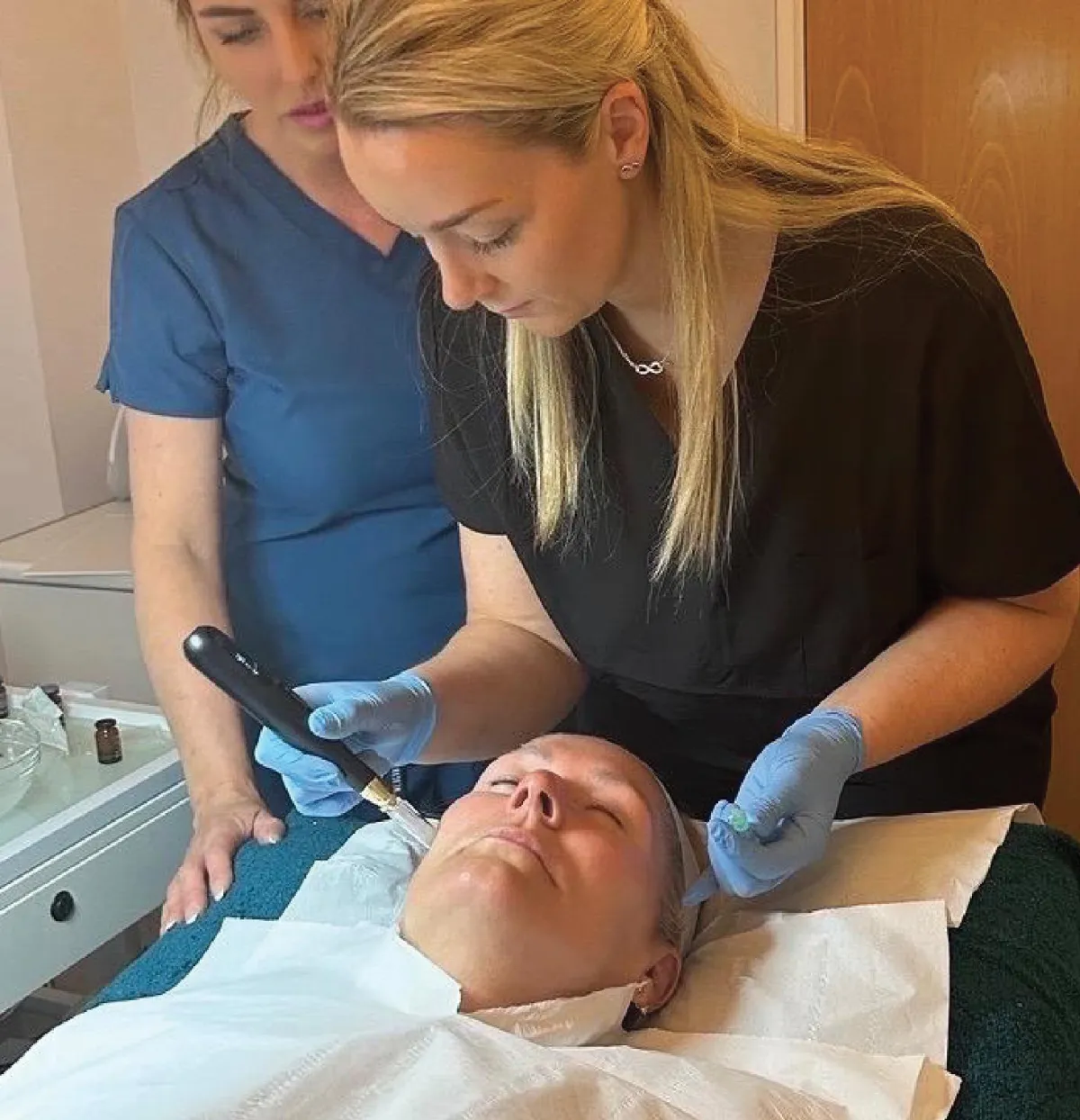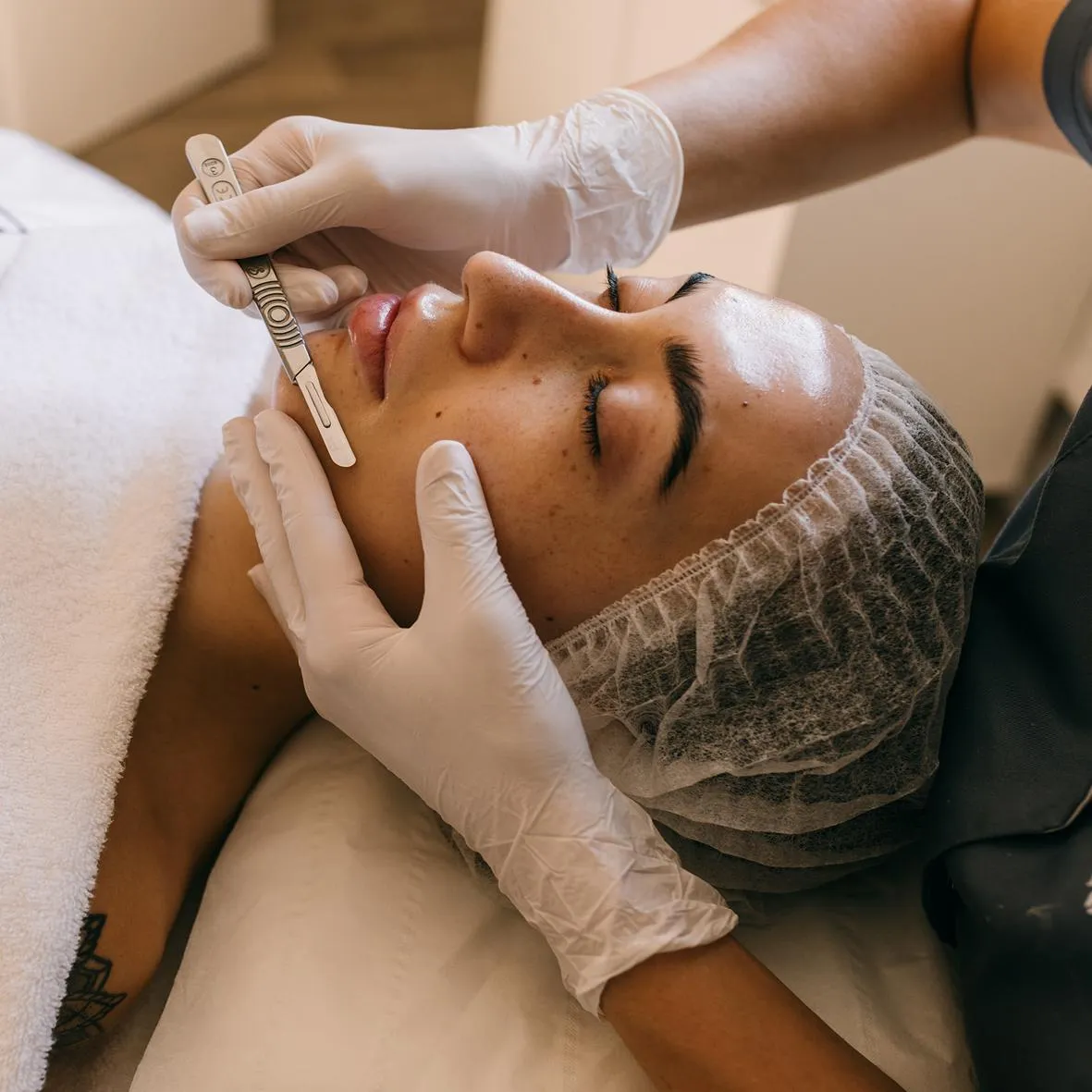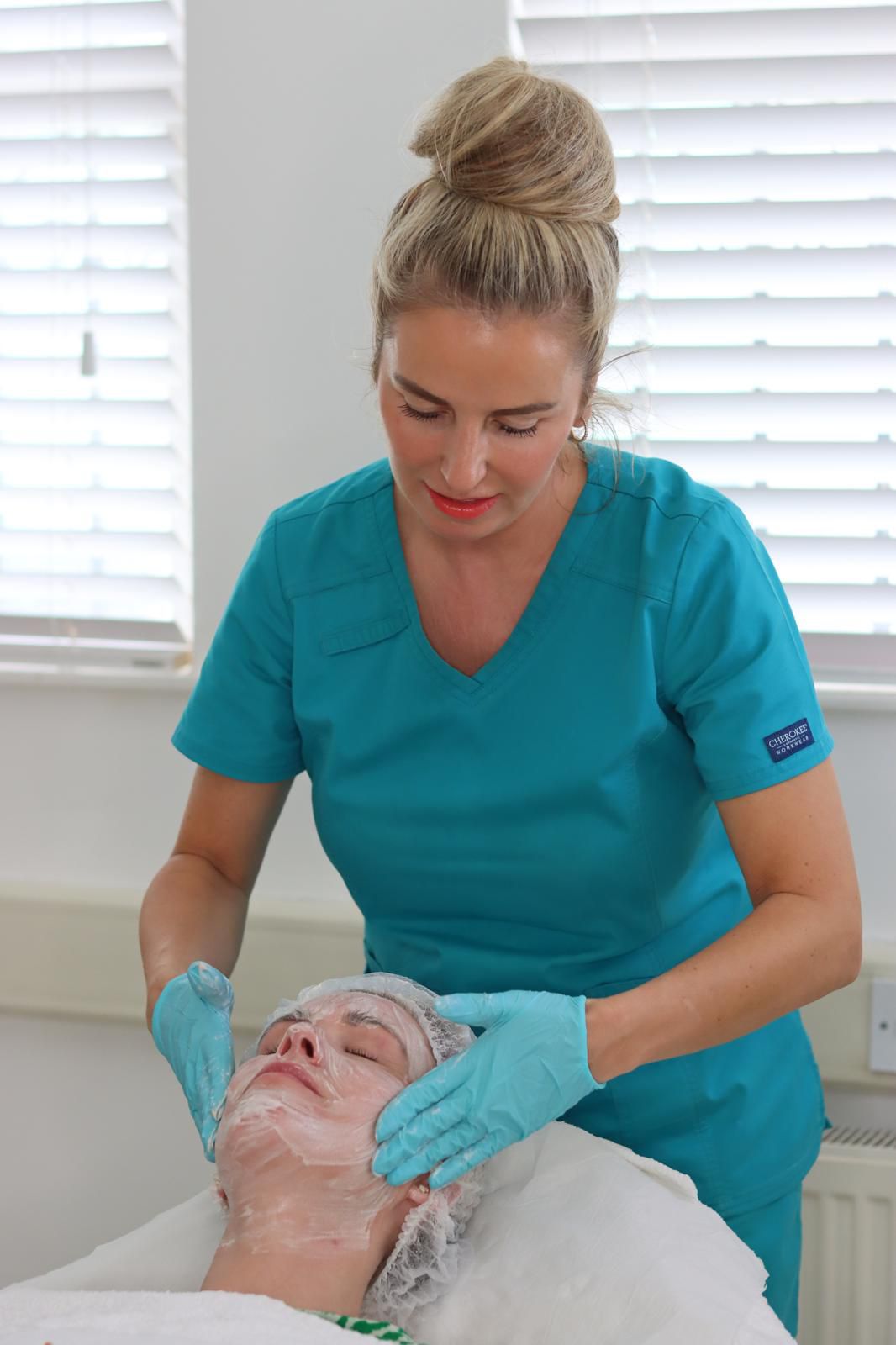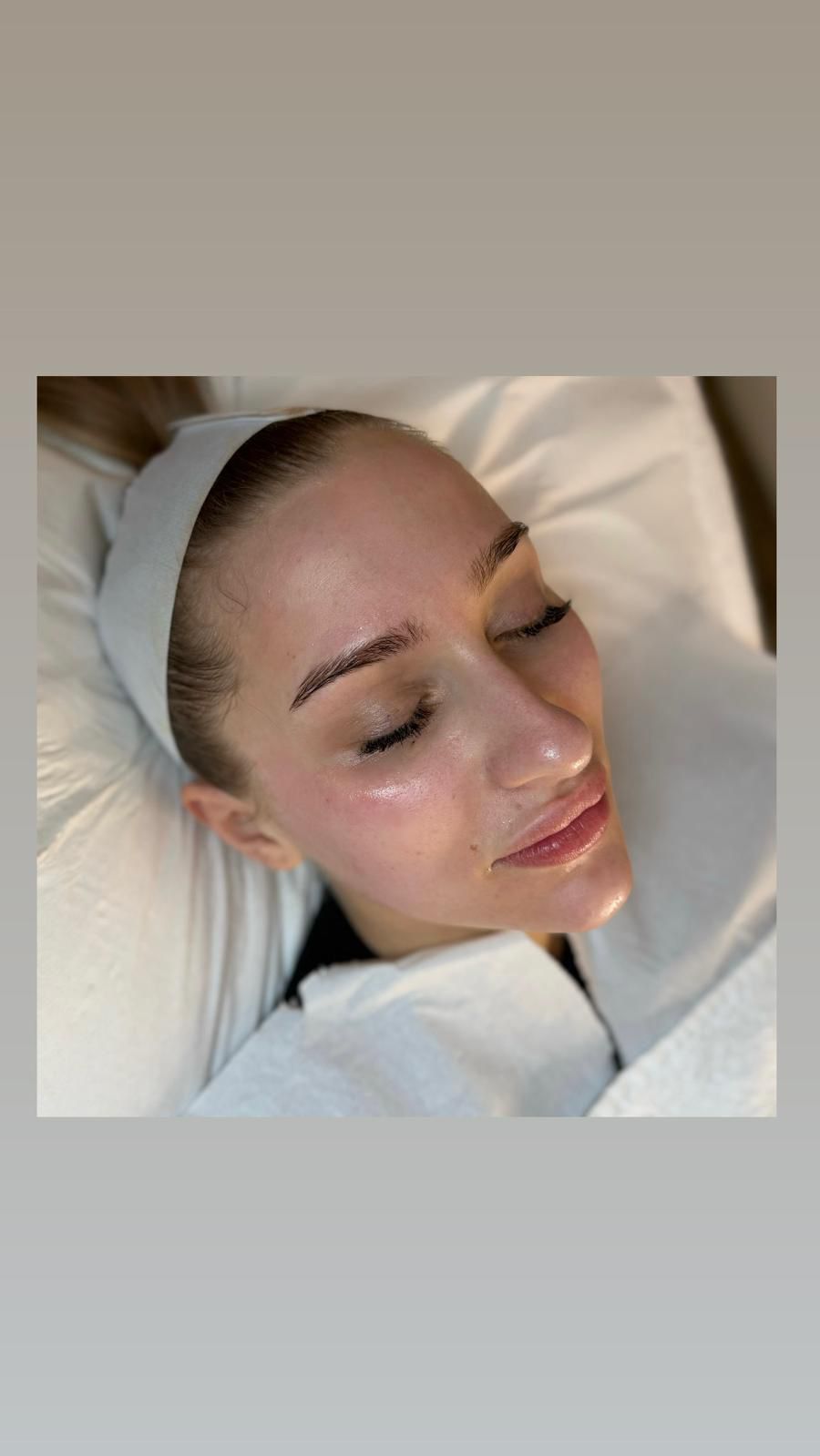
PACKAGES DISCOUNTED ON REQUEST, heavily discounted depending on treatments or areas treated. Contact the clinic for the latest offers.

Category: Uncategorized

  • How Much Does a Face Lift Cost in Liverpool? Surgical vs Non-Surgical Prices

    How Much Does a Face Lift Cost in Liverpool? Surgical vs Non-Surgical Prices

    Face lift cost at a glance

    Surgical face lift, UK

    £4,000 to £15,000+

    Mini lift to face and neck lift

    Surgical face lift, Liverpool

    From about £5,000

    Around £8,900 at a private hospital

    Non-surgical face lift, Liverpool

    £300 to £720

    HIFU at Derma Cosmedic, one session

    Clinical tip from Catlin, Level 7 Aesthetic Practitioner

    Compare the cost of a face lift against the amount of loose skin you actually have. Early jowling and a softening jawline usually respond well to HIFU at a fraction of the price of surgery, while heavy, overhanging skin on the neck needs a surgeon. The pinch test is a good guide: if loose skin on the jaw folds over itself when you look down, book a surgical opinion before spending money on non-surgical treatment.

    The cost of a face lift in Liverpool depends far more on the type of lift than on the postcode. A surgical facelift performed under general anaesthetic sits in the thousands of pounds, while a non-surgical face lift using HIFU, filler or skin tightening costs a few hundred pounds per session. At Derma Cosmedic on Castle Street, a full HIFU non-surgical face lift for the face, neck and jowls is £720, compared with several thousand pounds for surgery in the city.

    Price is only one part of the decision. Surgery removes loose skin and gives the most dramatic and longest-lasting change, but it needs two to four weeks off work and carries the risks of any operation. Non-surgical options lift and tighten more gently, with little or no downtime, and they need repeating to maintain the result. The right choice depends on how much laxity you have, how much recovery time you can take and what result you want to see.

    Surgical prices vary between surgeons, because each one quotes individually after a consultation, so the figures for surgery are typical ranges rather than fixed fees. Non-surgical prices at Derma Cosmedic are fixed per treatment area, and the full cost of a plan is confirmed in writing before any treatment begins.

    Not sure whether you need surgery or a non-surgical face lift?

    Book a consultation at Derma Cosmedic, 6-8 Castle Street, Liverpool. Your skin laxity is assessed honestly, and if surgery would serve you better, you will be told.

    Face Lift Cost UK: What a Surgical Facelift Costs
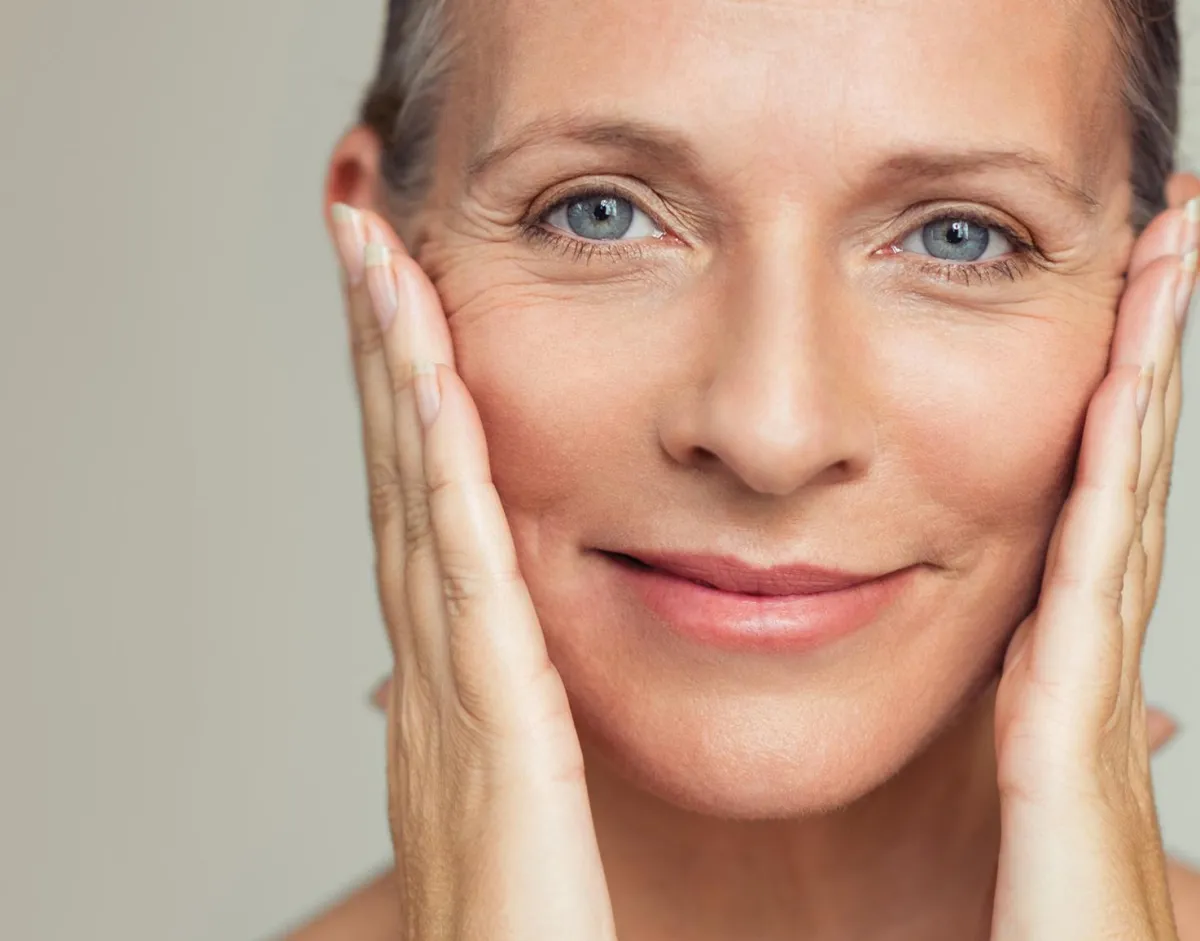
    Woman with mature skin considering face lift cost options in the UK
    Face lift cost in the UK ranges from a few thousand pounds to over £15,000

    Face lift cost in the UK varies widely because “face lift” covers several different operations. A mini facelift tightens the lower face through shorter incisions, a full facelift lifts the mid and lower face, and a face and neck lift treats the jawline and neck together. The more tissue that is repositioned, the longer the operation, the longer the hospital stay and the higher the price.

    The NHS guidance on facelifts puts the cost at anything from a few thousand pounds for a mini facelift to around £10,000 for a face and neck lift. Private clinic prices across the UK broadly agree, with surgeons in London and those offering deep plane techniques charging considerably more. Cosmetic facelifts are not available on the NHS, so every patient pays privately.

    Surgical procedure Typical UK price range
    Mini facelift £4,000 to £9,000
    Full facelift £6,000 to £12,000
    Face and neck lift £10,000 to £15,000
    Neck lift on its own £10,000 to £15,000
    Deep plane face and neck lift £15,000 to £19,000 or more

    These figures usually include the surgeon’s fee, the anaesthetist, the hospital stay and routine aftercare, but not always the initial consultation. Consultation fees for cosmetic surgery typically run from around £150 to £450, and some clinics deduct the fee from the cost of the operation if you go ahead.

    Mini Facelift Cost UK

    A mini facelift costs from around £4,000 to £9,000 in the UK. It uses shorter incisions around the ear to lift the jowls and lower cheeks, and it is often done under local anaesthetic with sedation. Recovery is quicker than a full facelift, but the lift is more limited, so it suits early to moderate jowling rather than significant loose skin on the neck.

    Full Face Lift Cost UK

    A full face lift costs from around £6,000 to £12,000 in most of the UK. The surgeon lifts the deeper tissue of the mid and lower face as well as the skin, which gives a longer-lasting result than a mini lift. Adding fat transfer, an eyelid lift or a brow lift in the same operation raises the total, often by several thousand pounds.

    Neck Lift Cost UK

    A neck lift on its own usually costs from £10,000 to £15,000 in the UK, and more with senior surgeons. It removes loose skin under the chin, tightens the neck muscles and redefines the angle between the jaw and neck. Many people combine it with a lower facelift, because loose skin on the neck and heavy jowls tend to appear together.

    Face Lift Cost in Liverpool: Surgical Prices and What They Include

    Practitioner assessing facial skin laxity during a face lift consultation in Liverpool
    Every face lift in Liverpool, surgical or non-surgical, starts with an assessment of skin laxity

    Surgical face lift prices in Liverpool sit slightly below the national average, and well below London. A facelift at a Liverpool cosmetic surgery clinic starts from around £5,000, while private hospitals in the city quote from about £8,700 for the operation plus a consultation fee of around £190, bringing the starting price close to £8,900. A face and neck lift, or a facelift combined with other procedures, costs more.

    Most Liverpool hospitals and clinics offer finance, which spreads the cost over two to five years. Monthly payments on an £8,000 to £9,000 facelift typically work out at around £250 a month over three years once interest is added, so it is worth asking for the total amount repayable rather than the monthly figure alone.

    Patients in Liverpool also look at Manchester, Chester and the Wirral, and the prices are similar across the North West. Travelling abroad for a lower-priced operation saves money at the start, but the NHS advises caution, because aftercare, complications and any revision surgery then fall on you, often far from the surgeon who operated.

    Facelift Surgery Liverpool: The Costs Beyond the Operation

    The quoted price of facelift surgery in Liverpool is rarely the whole cost. Before comparing quotes, check exactly what each one includes, because two prices that look similar can cover very different packages.

    Costs to ask about before booking facelift surgery

    • the consultation fee, and whether it is deducted from the operation
    • the anaesthetist’s fee and the overnight hospital stay
    • follow-up appointments, stitch removal and compression garments
    • the cost of treating a complication or a revision operation
    • two to four weeks off work, which the NHS advises for recovery
    • additional procedures such as fat transfer or an eyelid lift

    The NHS also recommends checking that any clinic performing cosmetic surgery in England is registered with the Care Quality Commission and that the surgeon is on the General Medical Council register. A lower price is never worth a surgeon without the right training, insurance and complication record.

    Non-Surgical Face Lift Cost in Liverpool
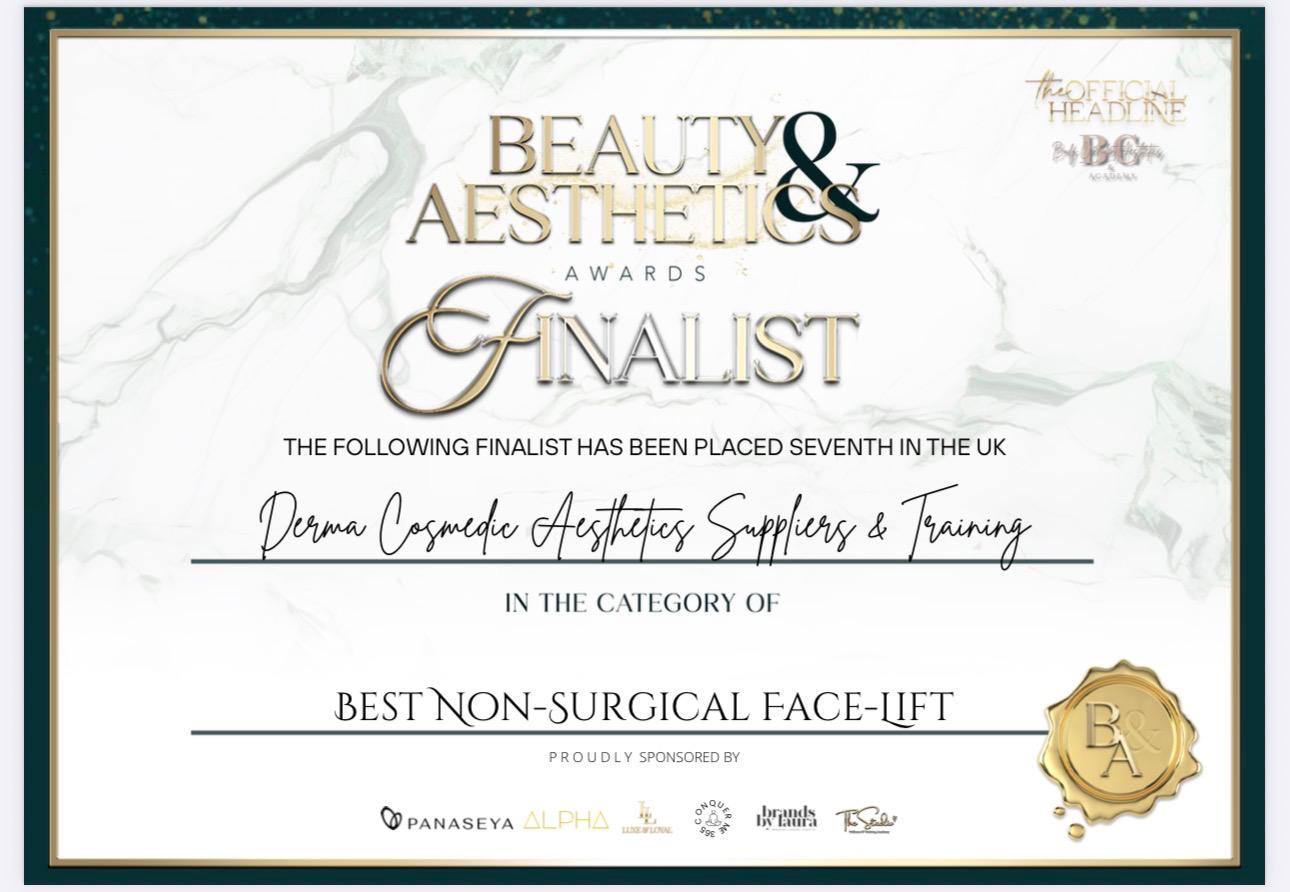
    Beauty and Aesthetics Awards finalist certificate placing Derma Cosmedic Liverpool seventh in the UK for Best Non-Surgical Face-Lift
    Derma Cosmedic was placed seventh in the UK for Best Non-Surgical Face-Lift at the 2025 Beauty and Aesthetics Awards

    A non-surgical face lift in Liverpool costs a fraction of surgery, usually between a few hundred pounds and around £1,000 depending on the treatment and the areas covered. Instead of cutting and removing skin, these treatments tighten the deeper tissue, stimulate new collagen or restore lost support with filler. The result is subtler than surgery, but there is no anaesthetic, no hospital stay and little or no time off work.

    Derma Cosmedic was placed seventh in the UK for Best Non-Surgical Face-Lift at the 2025 Beauty and Aesthetics Awards. The clinic offers several non-surgical lifting treatments, and the right one depends on whether the main concern is loose skin, lost volume, expression lines or a combination.

    Non-Surgical Face Lift Prices at Derma Cosmedic

    Non-surgical treatment Price Results last
    HIFU non-surgical face lift £300 to £720 per session 12 to 18 months
    Lunchtime Face Lift (full combination) £540 6 to 12 months
    6 Point Face Lift with dermal filler £900 6 to 12 months
    Profhilo skin remodelling £250 per session (2 sessions) About 6 months
    Ultralift RF skin tightening £94.80 Builds over a course
    Anti-wrinkle injections From £150 (1 area) 3 to 4 months

    The Lunchtime Face Lift in Liverpool combines skin tightening, line softening and a small amount of lift in a single appointment of up to an hour, which suits people who want a visible refresh without planning a course. For skin that has lost its bounce rather than its shape, Profhilo improves firmness and hydration across the face and neck over two sessions. Klarna is available on treatments, so the cost can be spread.

    HIFU Face Lift Cost in Liverpool

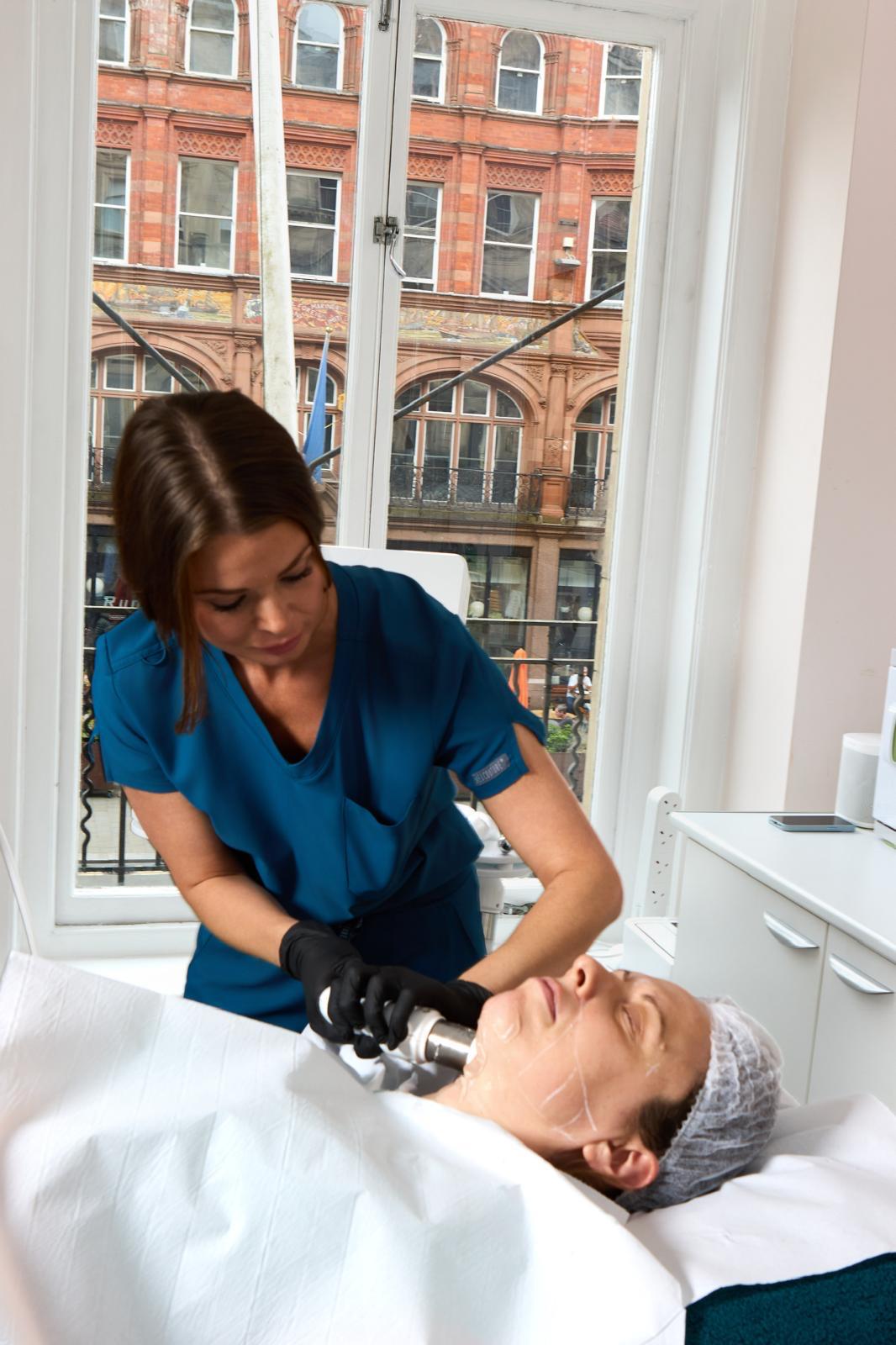
    HIFU non-surgical face lift being delivered along the jawline at a Liverpool clinic
    HIFU lifts the jawline and lower face by tightening the deep tissue surgeons work on

    HIFU is the closest non-surgical alternative to a surgical face lift, which is why it is the treatment most people compare against surgery on cost. High-intensity focused ultrasound heats the SMAS layer, the same deep support layer a surgeon tightens during a facelift, without any incision. The heat causes an immediate contraction and then stimulates new collagen, so the skin lifts and firms gradually over the following eight to twelve weeks.

    HIFU is priced by the area treated at Derma Cosmedic, and most people need one session a year to maintain the result. A full face, neck and jowl treatment costs £720, about a tenth of the starting price of a surgical facelift in Liverpool.

    HIFU treatment area Price per session
    Upper face, brow and eye area £300
    Neck, jawline and under the chin £420
    Full face, jaw and double chin £474
    Full face and jowls £600
    Full face, neck and jowls £720

    A HIFU session takes 60 to 70 minutes. Most people describe the sensation as deep warmth with brief, sharp pulses along the jawline, and the skin may look a little pink and feel tender for a day or two. There is no recovery period to plan around, so most patients return to work the same day.

    Results from HIFU usually last 12 to 18 months, and many patients book a top-up once a year. Because the treatment builds collagen, the lift continues to improve for around three months after each session, which makes it a good choice to book well ahead of a wedding, holiday or special occasion.

    Liquid Face Lift Cost: 6 Point and 8 Point Face Lift Prices

    Dermal filler placement points for a liquid face lift mapped across the cheek and jawline
    A liquid face lift uses filler at key support points to lift the mid and lower face

    A liquid face lift uses hyaluronic acid filler placed at specific support points to lift the face, rather than tightening the skin. The 8 point face lift and the 6 point face lift are versions of the same idea, with filler placed at the cheekbones, temples, jawline and chin to restore the scaffolding that sags with age. Because filler works instantly, the lift is visible straight away and settles over around two weeks.

    The 6 Point Face Lift at Derma Cosmedic costs £900, and 8 point face lifts at UK clinics are commonly priced from around £1,400. The final price depends on the amount of filler your face needs, so a younger face with mild volume loss usually needs less product than a face with more advanced ageing. Results last around 6 to 12 months, and a two-week review is included with dermal fillers in Liverpool at the clinic.

    A liquid face lift suits people whose main concern is lost volume, such as flatter cheeks, hollow temples or a jawline that has lost its definition. It is less suited to loose, crepey skin, where filler can look heavy. Many patients combine a small amount of filler with HIFU, so the filler restores support while HIFU tightens the skin over it.

    Lower Face Lift Cost: Treating Jowls and the Neck Without Surgery
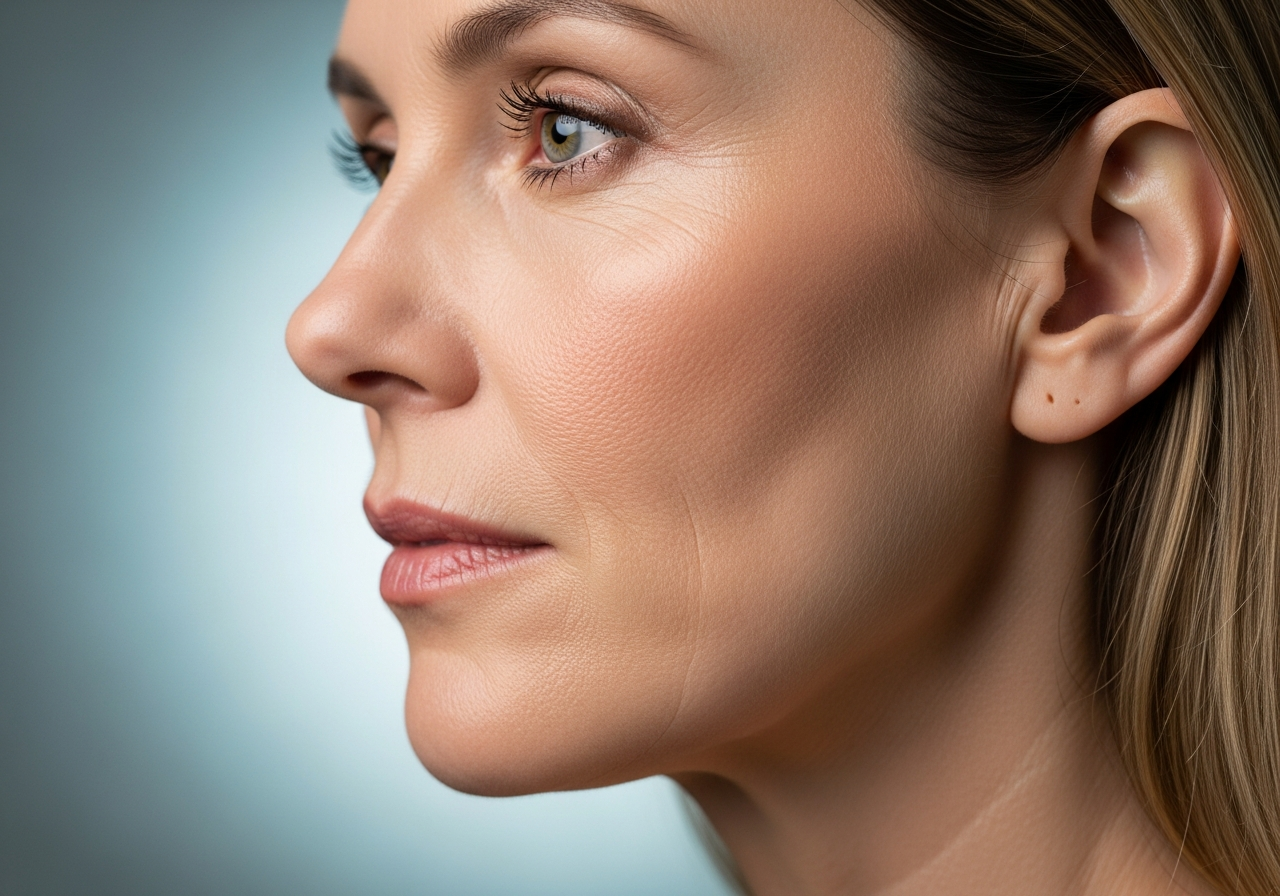
    Profile showing early jowling and softening of the jawline, treated with a lower face lift
    Early jowling responds well to non-surgical lower face lift treatment

    A lower face lift is the most requested type of face lift, because jowls and a softening jawline are usually the first signs that make people consider one. Surgically, a lower face lift costs from around £5,000 to £12,000 in the UK. Non-surgically, the jaw and neck can be treated for a few hundred pounds, as long as the skin has not become heavily loose.

    Treating jowls and sagging skin in Liverpool usually involves a combination rather than a single treatment. HIFU tightens the deep tissue along the jaw, jawline filler restores a sharper edge, and skin tightening improves the surface. Prices at Derma Cosmedic start at £94.80 for Ultralift RF, £336 for jawline filler and £420 for HIFU to the neck, jawline and under the chin.

    The neck needs earlier attention than the face. The skin is thinner, it moves constantly, and once the bands and loose skin of a turkey neck become pronounced, non-surgical treatment can only soften them. Starting HIFU or skin tightening when the first creases appear protects more of the result than waiting.

    Honest advice matters most here. If loose skin under the chin hangs in folds, a surgical neck lift will give a result that no non-surgical treatment can match, and the consultation will say so.

    Surgical vs Non-Surgical Face Lift: Cost, Recovery and Results
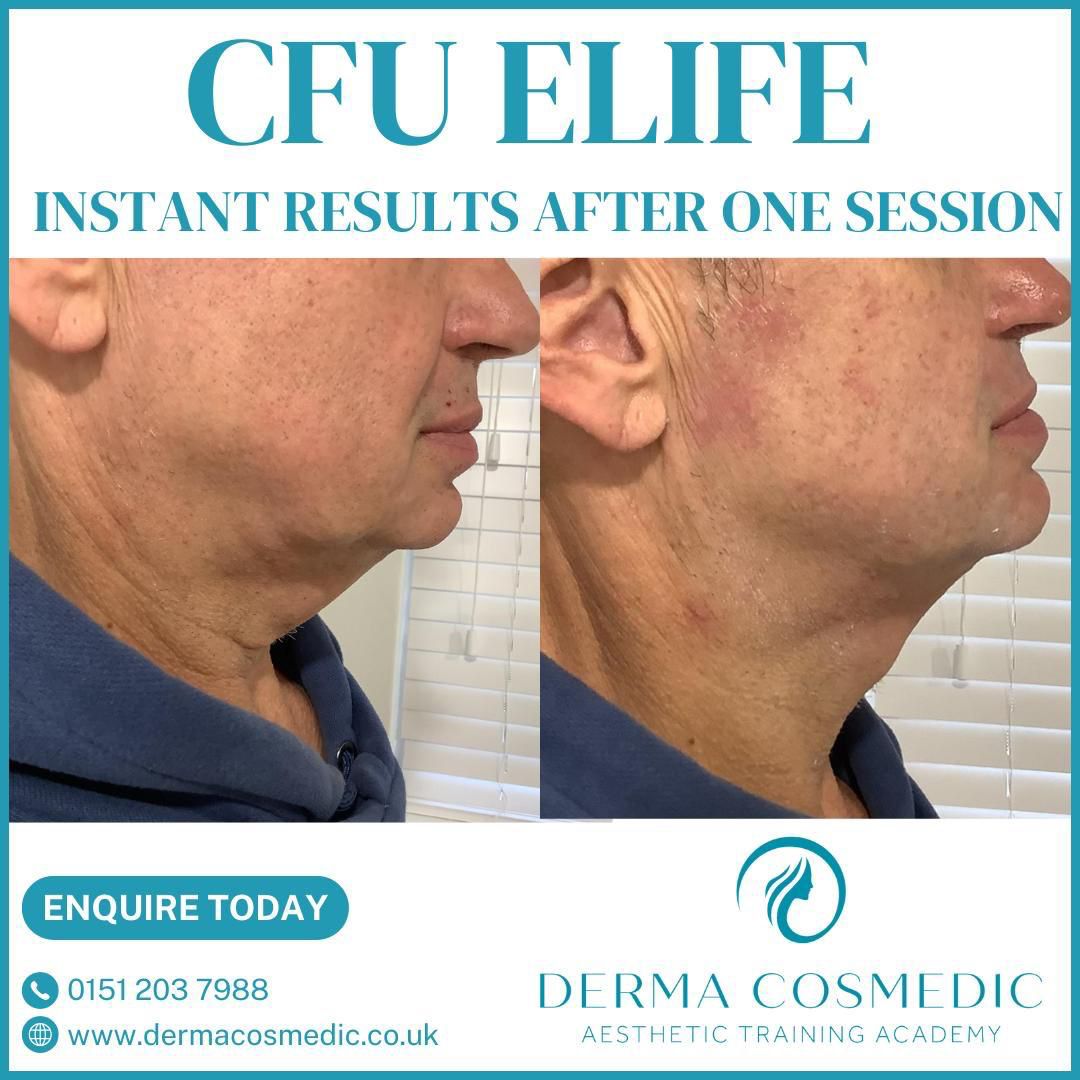
    Before and after HIFU non-surgical face lift on a male patient's jawline at Derma Cosmedic Liverpool
    A Derma Cosmedic patient straight after one HIFU session to the jawline. The lift continues to develop over the following weeks.

    Surgical and non-surgical face lifts are not competing versions of the same treatment. Surgery removes and repositions tissue, so it can correct significant sagging that nothing else will shift. Non-surgical treatments tighten, support and rejuvenate the tissue you already have, so they suit earlier ageing and people who do not want an operation.

    Surgical face lift Non-surgical face lift (HIFU)
    Cost in Liverpool From about £5,000, around £8,900 at a private hospital £300 to £720 per session
    Anaesthetic Usually general, sometimes local with sedation None
    Treatment time 2 to 3 hours, usually with an overnight stay 60 to 70 minutes
    Time off work 2 to 4 weeks Usually none
    Final result 6 to 9 months 8 to 12 weeks
    Strength of lift Significant, removes loose skin Moderate, tightens without removing skin
    Scars Around the ears and hairline, fading over time None

    Recovery is the difference most people underestimate. After surgery, bruising is visible for at least two weeks, stitches come out after seven to fourteen days, and the face can feel swollen, stiff or numb for several weeks. The final result takes six to nine months to appear. After HIFU, most people go straight back to work with some redness and tenderness, which settles within a day or two.

    Risk is the other difference. Surgery carries the risks of any operation, including bleeding, infection, nerve injury and scarring, which is why the surgeon’s training and record matter so much. Non-surgical treatments carry far lower risk, although they still need a properly trained practitioner, because HIFU and filler both work in the deeper layers of the face.

    How Long Does a Facelift Last and What Does It Cost Per Year?

    A surgical facelift does not stop the face ageing, but it resets it, and many people find the result holds for several years and often up to a decade. A non-surgical face lift lasts months rather than years, so the fairest way to compare cost is over time rather than per treatment.

    Face lift option How often Typical cost per year
    HIFU, full face, neck and jowls Once a year £720
    Lunchtime Face Lift combination Once or twice a year £540 to £1,080
    6 Point Face Lift with filler Every 6 to 12 months £900 to £1,800
    Surgical facelift in Liverpool One operation, lasting several years £5,000 to £9,000 upfront, plus 2 to 4 weeks’ recovery

    Over five years, yearly HIFU costs around £3,600, which is still less than the starting price of most surgical facelifts in Liverpool. The comparison only holds when HIFU can achieve the result you want, however. If your skin needs surgery, five years of non-surgical treatment will cost money without delivering the change, which is why the assessment comes before the price.

    Choosing Between a Surgical and Non-Surgical Face Lift

    The right face lift depends on three things: how much loose skin you have, how much recovery time you can take, and how dramatic a change you want. Two people of the same age can need completely different treatments, because skin quality, bone structure and lifestyle all affect how the face ages.

    A non-surgical face lift is likely to suit you if

    • your jawline has softened and early jowls are starting to form
    • your skin feels less firm but does not hang in folds
    • you cannot take two to four weeks away from work or family
    • you want a natural refresh that friends notice without guessing why
    • you would rather avoid general anaesthetic and scars

    Non-surgical treatment also works well as prevention. Starting HIFU or skin tightening in your forties or early fifties slows the visible loosening of the jaw and neck, and many people who would otherwise have needed surgery later can delay it or avoid it.

    A surgical face lift is likely to serve you better if

    • loose skin on the jaw or neck folds or hangs when you look down
    • deep jowls have formed and the jawline has largely disappeared
    • you want a significant, long-lasting change from one procedure
    • you are in good health and can plan several weeks of recovery

    Some patients use non-surgical treatments after surgery as well, to maintain skin quality and extend the result. Softening expression lines with anti-wrinkle injections or improving firmness with Profhilo complements a surgical lift, because surgery tightens and repositions but does not change the texture of the skin.

    Non-Surgical Facelift Liverpool Reviews

    Patients treated with HIFU at Derma Cosmedic describe the change as gradual and natural, with the jawline becoming more defined over the weeks after treatment. The clinic holds a 4.9-star Google rating from 89 reviews.

    ★★★★★ Google Review

    “Caroline was amazing, she put my mind at rest about the treatment and talked me through the whole process. 4 weeks on, I now have a jaw line, which seems to be getting more noticeable and defined by every passing week. My skin texture and colour has certainly improved.”

    Simon Morton, HIFU

    ★★★★★ Google Review

    “I am feeling fabulous. I have just had my 3rd session of HIFU and can see the difference in my skin and my jawline. Looking back at a picture of myself before treatments and after treatments, I can really see the difference, my skin looks more plump, fresh looking and healthy.”

    K Hatch, HIFU

    Both patients describe the same pattern: a visible improvement in the first weeks that keeps building, rather than an instant change. That is the realistic expectation for a non-surgical face lift, and it is why the clinic reviews progress after treatment rather than on the day.

    Book a Non-Surgical Face Lift in Liverpool at Derma Cosmedic

    Derma Cosmedic clinic on Castle Street in Liverpool city centre, offering non-surgical face lift treatment
    Derma Cosmedic, 6-8 Castle Street, Liverpool L2 0NB

    Derma Cosmedic is a medically-led aesthetic clinic at 6-8 Castle Street in Liverpool city centre, a five-minute walk from the central stations. Non-surgical face lift treatments are led by Catlin, a Level 7 aesthetic practitioner with a degree in aesthetic medicine, and every plan starts with an assessment of how much laxity you have and which treatment will genuinely help.

    Patients travel from across Merseyside, including the Wirral, Crosby, Southport, St Helens and Warrington, as well as from Chester and North Wales. If the assessment shows that surgery would give you a better result, you will be told honestly, so the money you spend goes on the treatment that actually suits your face.

    Book Your Face Lift Consultation in Liverpool

    Choose a treatment to book online, or talk to the team first. 6-8 Castle Street, Liverpool L2 0NB.

    Call 0151 203 7988  |  WhatsApp 07939 297340  |  Mon-Fri 9am-6pm, Sat 10am-4pm
    Face Lift Cost Liverpool: Frequently Asked Questions

    How Much Does A Face Lift Cost In Liverpool?
    A surgical face lift in Liverpool starts from around £5,000 at a cosmetic surgery clinic and around £8,900 at a private hospital, including the consultation. A non-surgical HIFU face lift at Derma Cosmedic costs from £300 to £720 per session, depending on the areas treated.
    How Much Does A Face Lift Cost In The UK?
    Surgical face lift prices in the UK range from around £4,000 for a mini facelift to £10,000 to £15,000 for a face and neck lift, with deep plane techniques in London costing more. The NHS puts the range at a few thousand pounds to around £10,000.
    How Much Is A Non-Surgical Face Lift?
    At Derma Cosmedic, HIFU costs £300 to £720 per session, the Lunchtime Face Lift combination is £540 and the 6 Point Face Lift with filler is £900. Most non-surgical options are repeated every 6 to 18 months to maintain the result.
    How Much Does A Mini Facelift Cost In The UK?
    A surgical mini facelift usually costs from around £4,000 to £9,000 in the UK. It lifts the jowls and lower cheeks through shorter incisions and has a quicker recovery than a full facelift, but the lift is more limited.
    How Long Does A Facelift Last?
    A surgical facelift resets the signs of ageing, and many people find the result holds for several years and often up to a decade. HIFU results usually last 12 to 18 months, and filler-based face lifts last around 6 to 12 months.
    Is HIFU As Good As A Facelift?
    HIFU tightens the same deep layer a surgeon works on, but it does not remove skin, so the lift is more moderate. It works best for early to moderate jowling and a softening jawline. For heavy, hanging skin, a surgical facelift gives a result HIFU cannot match.
    How Long Is Recovery After A Facelift?
    After surgery, most people need two to four weeks off work, bruising lasts at least two weeks and the final result takes six to nine months. After HIFU, most people return to work the same day, with some redness and tenderness for a day or two.
    Can You Tighten A Saggy Neck Without Surgery?
    Yes, when the loose skin is mild to moderate. HIFU to the neck, jawline and under the chin costs £420 at Derma Cosmedic and tightens the deep tissue over the following weeks. Skin that hangs in folds usually needs a surgical neck lift.

  • Polynucleotides Before and After: Results, Timeline and Cost in Liverpool

    Polynucleotides Before and After: Results, Timeline and Cost in Liverpool

    Quick summary

    Polynucleotides improve skin quality rather than adding volume, so the before and after difference is gradual. Most patients notice brighter, firmer under-eye skin around three to four weeks after their first session, with the full result about eight to twelve weeks after starting a course of three. Results usually last six to nine months. At Derma Cosmedic in Liverpool, under-eye treatment starts from £199 a session with Lumi Eyes and £238.80 with standard polynucleotides.

    Clinical tip from Catlin, Level 7 Aesthetic Practitioner

    Judge your result at the review appointment, not in the mirror on day two. Polynucleotides leave small raised bumps under the skin for the first day, and the under-eye can look slightly puffy before it looks better. The real change is in skin thickness and texture, and it is easiest to see when you compare photographs taken in the same light at the start and at week eight.

    Polynucleotides have become one of the most requested treatments at Derma Cosmedic’s Castle Street clinic, and almost every consultation starts the same way: what will my skin actually look like afterwards, and how long until I see it? The honest answer is that polynucleotides work more slowly and more subtly than filler, because the change comes from your own skin repairing itself. That is also why the results look natural, and why polynucleotide treatment in Liverpool suits people who want to look rested rather than changed.

    The under-eye area is where the before and after difference shows most clearly. Thin, crepey skin, a dull grey shadow and fine dehydration lines are all concerns that respond well, and a dedicated under-eye formula such as Lumi Eyes is designed for that delicate skin. On the face and neck, polynucleotides improve texture, firmness and hydration, and they are often paired with skin boosters when dehydration is the main complaint.

    Every patient responds at a slightly different pace, so the timings quoted for polynucleotides are typical rather than promised. Your age, skin thickness, sun exposure and the area being treated all shape how quickly the change appears and how long it lasts. Your practitioner takes photographs at your first visit and confirms your own plan, including the number of sessions, before any treatment begins.

    Polynucleotides Before and After: Real Under-Eye Results in Liverpool

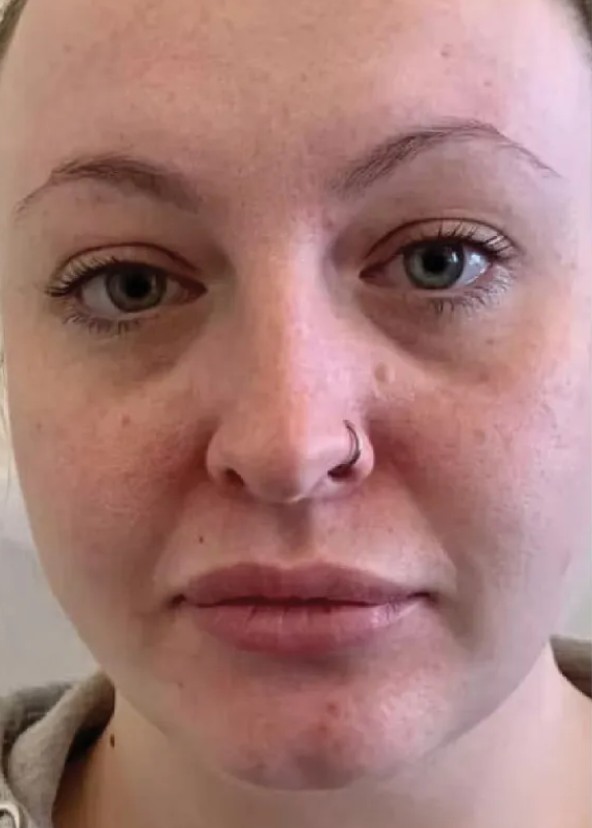
    Polynucleotides under-eye before treatment at Derma Cosmedic Liverpool, showing dark shadowing and thin skin

    Before

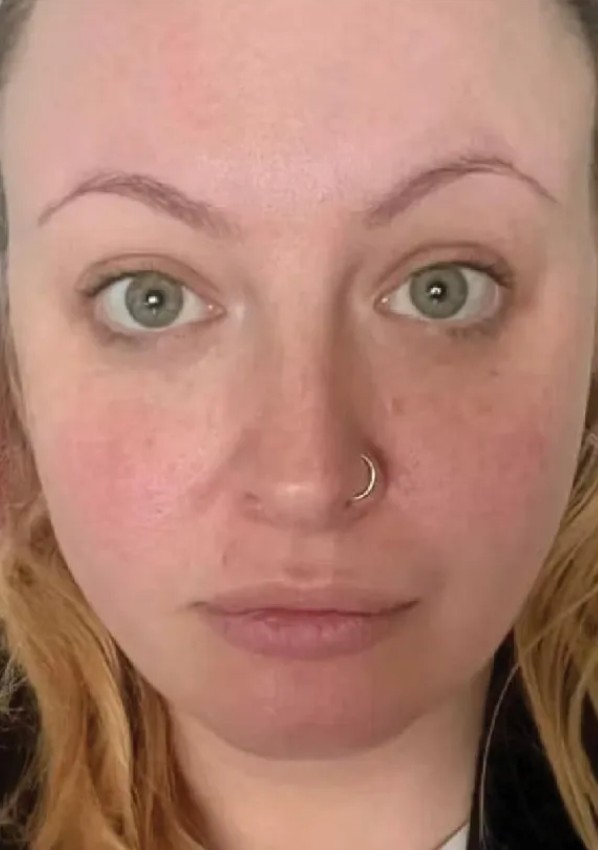
    Polynucleotides under-eye after treatment at Derma Cosmedic Liverpool, showing brighter, smoother under-eye skin

    After

    Under-eye polynucleotides at Derma Cosmedic, Liverpool. Individual results vary.

    This patient came to the Castle Street clinic with dark shadowing under both eyes and skin that looked thin and slightly hollow, the kind of tiredness that does not shift with sleep or eye cream. After polynucleotide treatment to the under-eye area, the skin looks brighter and smoother, the grey tone has softened and the eyes look more rested. The shape of the face is unchanged, because nothing has been filled or lifted. Polynucleotides improve the skin itself, which is what keeps the result looking natural.

    The improvement comes from the skin itself. As the under-eye skin thickens and holds more water, it becomes less translucent, so the dark vessels and muscle beneath show through less. That is why polynucleotides work well for shadowing caused by thin skin, and less well for darkness caused by pigment or by a deep hollow, which need a different approach.

    Before and after photographs are only useful when they are honest. Derma Cosmedic photographs patients in the same position and lighting at each stage, without filters, and shows its own patients rather than manufacturer images. When comparing clinics, ask to see their own results for the exact area you want treated.

    Wondering what polynucleotides could do for your under-eyes?

    Book a consultation at Derma Cosmedic, 6-8 Castle Street, Liverpool. Your skin is assessed in person and you get an honest view of the result you can expect.

    What Are Polynucleotides and How Do They Improve Your Skin?

    Close-up of thin, crepey under-eye skin with fine lines, a common concern treated with polynucleotides in Liverpool
    Thin, crepey under-eye skin is one of the main concerns polynucleotides treat

    Polynucleotides are purified fragments of DNA, usually taken from salmon or trout, whose structure is close enough to human DNA for your cells to recognise and use. They are injected into the skin in tiny amounts, where they act as a repair signal. Fibroblasts, the cells that produce collagen and elastin, respond by becoming more active, and the skin improves its ability to hold water.

    This makes polynucleotides a regenerative treatment rather than a filler. Filler adds volume by occupying space, so the change is immediate. Polynucleotides add almost no volume at all, so the change builds over weeks as your own tissue responds. The result is skin that is thicker, firmer and better hydrated, with a smoother surface and fewer fine lines.

    Because they do not add bulk, polynucleotides suit areas where filler can look heavy or puffy. The under-eye is the obvious example, but they are also used on the neck, décolletage and backs of the hands, where skin quality matters more than volume. They can also calm reactive skin, which makes them useful alongside rosacea or after a course of resurfacing treatments.

    Polynucleotides Results Timeline: What to Expect Week by Week

    Polynucleotide injection to the under-eye area during a course of treatment in Liverpool
    Results from polynucleotides build gradually across a course of sessions

    The most common question after a first session is how long polynucleotides take to work. The skin starts its repair response within days, but visible change usually takes three to four weeks, because new collagen takes time to form. Most patients describe the early change as their skin looking fresher and better hydrated, before any firmness becomes noticeable.

    Timeframe What you are likely to notice
    Immediately after Small raised bumps at each injection point, mild redness and occasionally a pinprick bruise
    24 to 48 hours Bumps have settled. The under-eye may look a little puffy for a day or two
    Week 1 Any bruising fades. Skin looks as it did before treatment while repair begins underneath
    Weeks 2 to 4 Better hydration and a brighter, less tired look. Your second session usually falls here
    Weeks 4 to 8 Skin feels thicker and smoother, fine lines soften and shadowing under the eyes reduces
    Weeks 8 to 12 The full result of a three-session course, with collagen still developing for a few weeks after

    The timeline matters if you have a date in mind. A course of three sessions spaced two to three weeks apart takes four to six weeks to complete, and the best result follows a few weeks later. Starting a course in early November means your last session falls in December and your skin keeps improving into January, so the earlier you begin, the more of the result you will see by a particular event.

    Polynucleotides Under Eyes Before and After: Dark Circles, Crepiness and Hollows

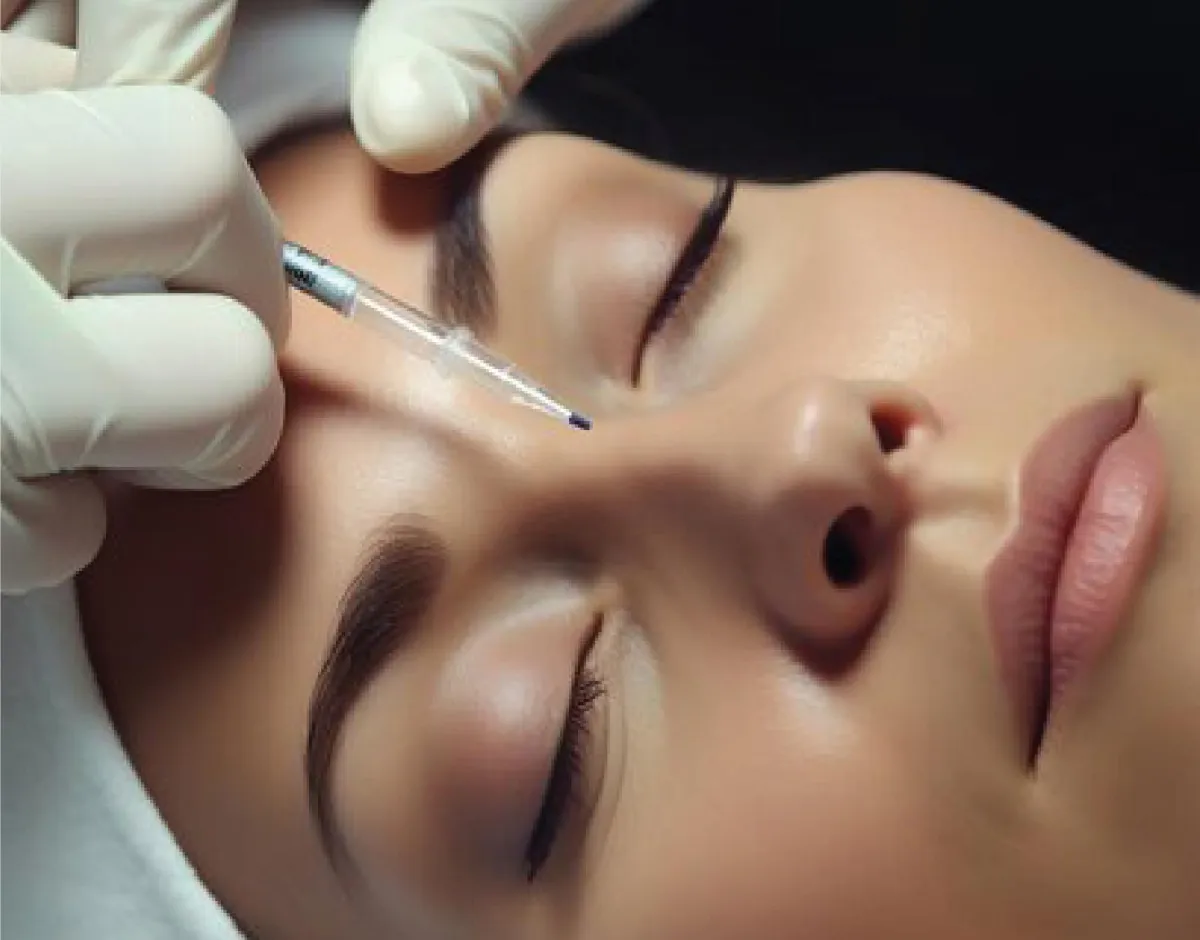
    Practitioner injecting polynucleotides under the eye with a fine needle at a Liverpool aesthetic clinic
    Under-eye polynucleotides are placed with a very fine needle into the skin

    Under-eye polynucleotides are the most popular version of the treatment in Liverpool, and the area where the before and after change is easiest to see. The skin under the eyes is among the thinnest on the body, with very little oil and almost no fat beneath it, so it shows tiredness, dehydration and ageing early. Thickening that skin makes a visible difference to how rested you look.

    Polynucleotides respond best to three under-eye concerns. Crepey texture and fine lines soften as the skin becomes firmer and more hydrated. Grey or bluish shadowing caused by thin skin fades as the skin becomes less see-through. Mild early hollowing can look softer, because better skin quality reflects light more evenly. Lumi Eyes, a dedicated under-eye product that combines polynucleotides with PDRN and hyaluronic acid, is formulated for exactly this area.

    There are limits, and a good consultation is honest about them. Brown pigment under the eyes is not caused by thin skin, so it needs pigment treatment rather than polynucleotides. A deep tear trough, where volume has been lost and a groove has formed, needs support that polynucleotides cannot provide, and tear trough filler may be the better choice. Many patients do best with polynucleotides first to improve the skin, then a small amount of filler if a hollow remains.

    The question of why eyes can look worse after polynucleotides has a simple answer. For the first day or two, the bumps and mild swelling sit right where you are looking, and the skin has not yet started to change. That early stage is temporary, and it is why the clinic books your review weeks later rather than days later.

    Polynucleotides Before and After on the Face and Neck

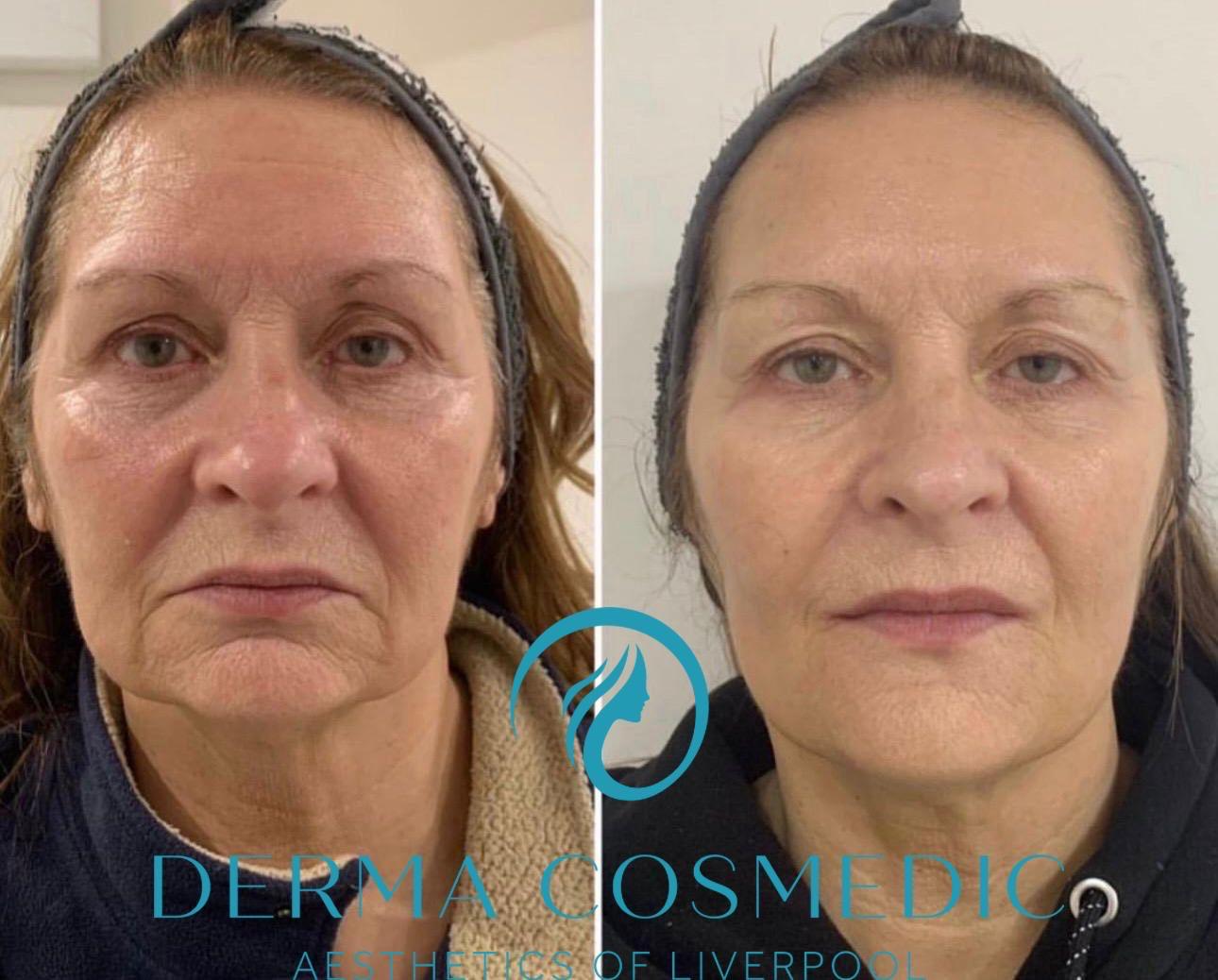
    Before and after a course of polynucleotides combined with HIFU at Derma Cosmedic Liverpool, December 2025 to March 2026
    A Derma Cosmedic patient after a course of polynucleotides and one HIFU session. Individual results vary.

    On the full face, polynucleotides improve the quality of the skin rather than its shape. The before and after change shows as smoother texture, finer pores, more even tone and skin that looks plumper and better hydrated. Fine lines caused by dehydration soften, and makeup tends to sit better on the skin’s surface.

    This patient had a course of polynucleotides alongside a single HIFU non-surgical face lift between December 2025 and March 2026. The polynucleotides improved the skin’s texture and brightness, while HIFU worked deeper to tighten and lift. Combining treatments in this way is common, because each one targets a different layer, and the clinic always explains which part of a result comes from which treatment.

    The neck often ages ahead of the face, with horizontal lines and loose, crepey texture that creams do little for. Polynucleotides improve neck skin in the same way as under-eye skin, by thickening and hydrating it, and many patients treat the face and neck together in the same appointment. The décolletage and backs of the hands respond well too, particularly where sun damage has left the skin thin and lined.

    ★★★★★Google Review

    “I’ve been having treatments at Derma Cosmedic since April, including polynucleotides, HIFU, and skin boosters, and I can honestly say the results have been fantastic. My skin feels healthier, looks plumper, and there’s a real difference in both the texture and overall appearance.”

    Gill Seasman, Google Review

    Polynucleotides Immediately After: Bumps, Swelling and Bruising

    Knowing what is normal straight after treatment takes the worry out of the first few days. Polynucleotides are injected into the skin as a series of tiny deposits, and each one leaves a small raised bump that looks a little like a mosquito bite. These bumps are expected. They usually flatten within 24 hours as the product disperses into the skin.

    Mild redness and tenderness at the injection points are common for the rest of the day. Some people get small pinprick bruises, especially under the eyes, where the skin is thin and the blood vessels sit close to the surface. Bruising normally fades within a week and can be covered with makeup after the first 12 hours. Swelling under the eyes can make the area look slightly puffy for a day or two, which is the stage when patients sometimes feel their eyes look worse than before.

    Serious complications are rare when polynucleotides are placed by a trained medical injector. Contact the clinic if a lump has not settled after a few days, if swelling increases, or if you notice heat, spreading redness or pain.

    What Happens at a Polynucleotide Appointment in Liverpool

    Polynucleotide injectable treatment being delivered by a gloved practitioner at an aesthetic clinic in Liverpool city centre
    Each polynucleotide session takes 30 to 45 minutes

    A polynucleotide session is short and straightforward, and most people return to work or normal plans the same day. The appointment follows the same steps each time, so you know exactly what to expect from your first visit to your last.

    Your polynucleotide appointment, step by step

    1. Consultation: your skin and medical history are assessed, a fish allergy is ruled out and photographs are taken.
    2. Planning: the number of sessions and treatment areas are agreed, usually three sessions two to three weeks apart.
    3. Numbing: a numbing cream is applied if needed, although many patients find the under-eye very tolerable without it.
    4. Treatment: small amounts are placed into the skin with a fine needle or cannula, taking around 30 minutes.
    5. Aftercare: you leave with written aftercare and your next session booked.
    6. Review: progress is compared with your starting photographs once the course is complete.

    Most patients describe the sensation as brief stinging as each point is placed, followed by mild tenderness. Aftercare is simple: avoid makeup on the area for 12 hours, skip the gym, sauna and alcohol for 24 hours, and sleep on your back on the first night if your under-eyes were treated. Completing the full course is what produces the result in the before and after photos, so it is worth booking all three sessions at the start.

    How Many Polynucleotide Sessions Do You Need and How Long Do Results Last?

    Most people need a course of three sessions, spaced two to three weeks apart. A single session gives the skin one repair signal, which produces a modest change that fades sooner. Three sessions build on each other, so the collagen response is stronger and the result lasts longer. Very thin or sun-damaged skin occasionally benefits from a fourth session, and your practitioner will recommend this only if your review shows it would help.

    Results from a full course usually last six to nine months, and under-eye results with Lumi Eyes can last up to twelve months. Because the improvement is your own collagen rather than a product sitting in the skin, it fades gradually as natural ageing continues rather than disappearing suddenly. A single top-up session every six to nine months is usually enough to hold the result.

    Polynucleotides are worth it for the right concern. If your main complaint is thin, crepey or tired-looking skin, particularly under the eyes, they are one of the most effective non-surgical options available. If you want an instant change in shape or volume, they will feel too subtle on their own, and a different treatment or a combination plan will suit you better.

    Polynucleotides vs Profhilo and Skin Boosters: Which Suits Your Skin?

    Polynucleotides are often compared with Profhilo, skin boosters and tear trough filler, because all four improve the way skin looks around the eyes and face. They work in different ways, and the right choice depends on whether your main concern is skin quality, hydration or lost volume.

    Treatment How it works Best for Typical course
    Polynucleotides Repair signal that stimulates collagen, elastin and hydration Thin, crepey skin, under-eye shadowing, reactive skin 3 sessions, 2 to 3 weeks apart
    Profhilo High-concentration hyaluronic acid that spreads under the skin and remodels it Laxity and dehydration across the face and neck 2 sessions, 4 weeks apart
    Skin boosters Fine hyaluronic acid placed through the skin to hydrate it Dull, dehydrated skin and fine lines Usually 2 to 3 sessions
    Tear trough filler Hyaluronic acid gel that replaces lost volume Deep grooves and hollows under the eyes Usually 1 session, with a review

    In practice, these treatments are rarely either-or. Polynucleotides are the strongest choice for the quality of the skin itself, Profhilo and skin boosters are strongest for hydration and early laxity, and filler is the only option that replaces volume. A common plan at the Liverpool clinic is a course of polynucleotides for the under-eyes alongside Profhilo for the wider face, which treats skin quality and hydration together.

    Who Polynucleotides Suit and When Another Treatment Is Better

    Practitioner assessing a patient's skin during a polynucleotide consultation in Liverpool
    Suitability for polynucleotides is confirmed at a medical consultation

    Polynucleotides suit adults whose main concern is the quality of their skin rather than its shape. They work well from the late twenties onwards as a preventative treatment, and they are just as useful in later life, when skin has become thinner and drier. Because the result is gradual and natural, they suit people who do not want anyone to notice they have had treatment.

    Polynucleotides are generally suitable for

    • thin, crepey or dehydrated skin under the eyes, on the face or on the neck
    • grey or bluish under-eye shadowing caused by thin skin
    • early loss of firmness, where filler would look heavy
    • skin recovering from sun damage, or sensitive skin that reacts to stronger treatments

    They are not suitable if you

    • have a known allergy to fish or fish-derived products
    • are pregnant or breastfeeding
    • have an active infection or inflammation in the treatment area
    • have an autoimmune condition without medical clearance

    If your concern is mainly volume loss, deep folds or significant sagging, polynucleotides alone will not give you the change you want. Those concerns are better treated with filler, HIFU or Profhilo, sometimes alongside a course of polynucleotides for skin quality. A consultation looks at the cause of each concern, so you are recommended the treatment that fits it rather than the most popular one.

    Polynucleotides Cost in Liverpool

    Polynucleotides are priced per area and per session at Derma Cosmedic. Because they work as a course, the cost of a full plan matters as much as the price of a single visit, and under-eye treatment with Lumi Eyes has its own course price.

    Treatment area Price per session
    Lumi Eyes (under-eye polynucleotides) £199, or £550 for a course of 3
    Polynucleotides, eyes £238.80
    Polynucleotides, full face £300
    Polynucleotides, neck £354
    Polynucleotides, full face and neck £598.80
    Polynucleotides, face, neck and chest £838.80

    Most patients book a course of three sessions, and pricing for a course booked in advance is confirmed at your consultation. Payments can be spread with Klarna. A single top-up session every six to nine months keeps the result, which makes polynucleotides easier to plan for than treatments that need frequent maintenance.

    Price is worth comparing, but it should not decide an injectable on its own. The price covers a medical assessment, a genuine product from a regulated supplier, a trained injector and proper aftercare, and unusually low prices often mean one of those is missing.

    Polynucleotide Treatment in Liverpool at Derma Cosmedic

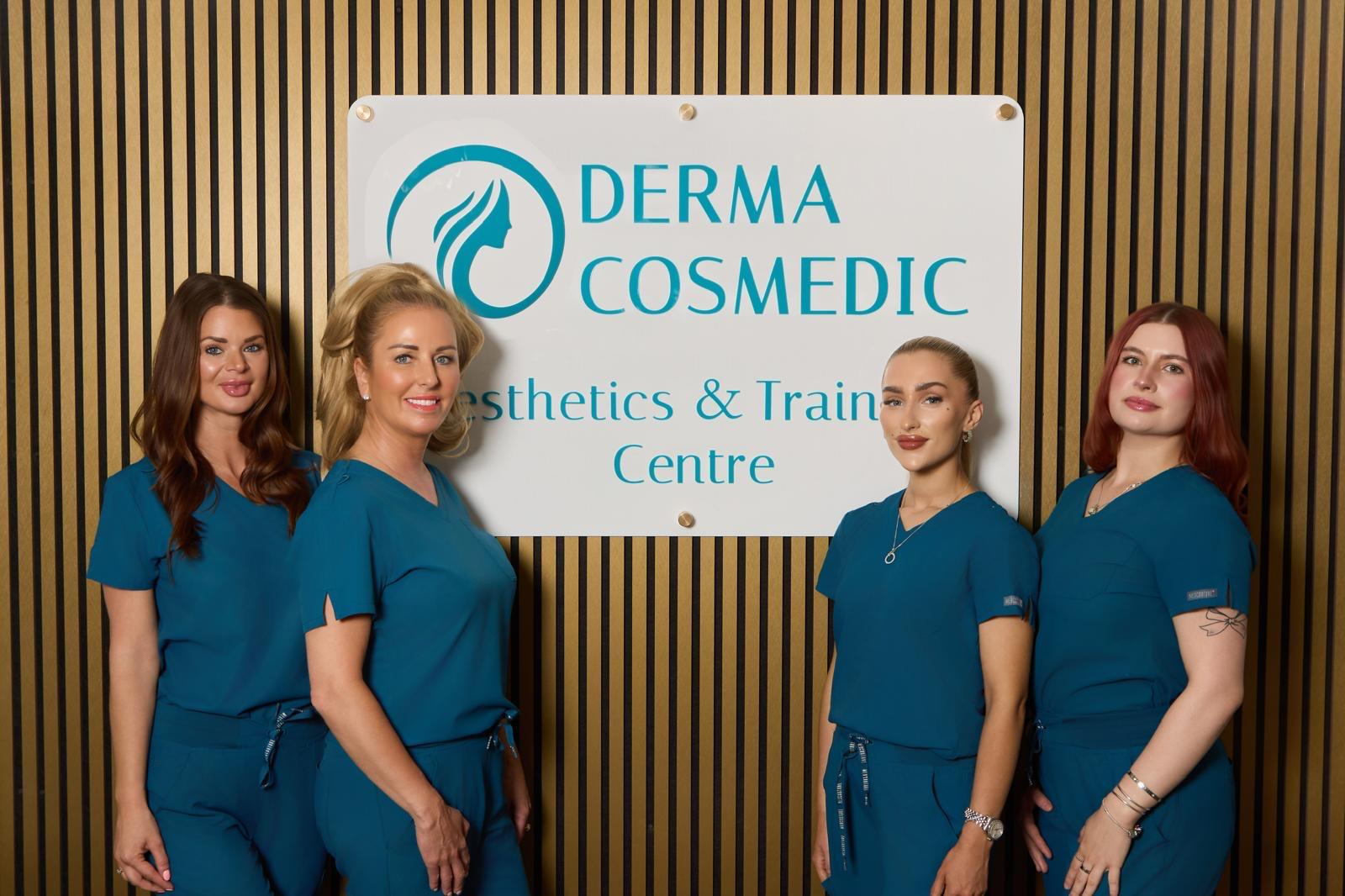
    The Derma Cosmedic aesthetics team at the Castle Street clinic in Liverpool city centre
    The Derma Cosmedic team at 6-8 Castle Street, Liverpool

    Derma Cosmedic is a medically-led aesthetic clinic at 6-8 Castle Street in Liverpool city centre, a five-minute walk from the central stations. Polynucleotides are delivered by qualified injectors under the lead of Catlin, a Level 7 aesthetic practitioner with a degree in aesthetic medicine, and every course starts with a full consultation and baseline photographs.

    The clinic holds a 4.9-star Google rating from 89 reviews and was named in the UK Top 7 for Best Non-Surgical Face-Lift at the 2025 Beauty and Aesthetics Awards. Patients travel from across Merseyside, including Wirral, Crosby, Southport, St Helens and Warrington, as well as from Cheshire. The NHS guidance on cosmetic procedures is a useful reminder to check that anyone injecting your skin is properly qualified and insured.

    Book Your Polynucleotide Consultation in Liverpool

    Find out what polynucleotides could do for your under-eyes, face or neck. An honest assessment, real before and after results and a clear price. 6-8 Castle Street, Liverpool L2 0NB.

    Book a Consultation

    Call: 0151 203 7988  |  Mon-Fri 9am-6pm, Sat 10am-4pm

    Polynucleotides Before and After: Frequently Asked Questions

    How Long Do Polynucleotides Take To Work?
    Most people notice their skin looking fresher and better hydrated around three to four weeks after the first session. The full result usually appears eight to twelve weeks after starting a course of three sessions, as new collagen continues to form.
    How Long Do Polynucleotides Last?
    Results from a full course usually last six to nine months, and under-eye results with Lumi Eyes can last up to twelve months. A single top-up session every six to nine months is usually enough to maintain the result.
    Why Do My Eyes Look Worse After Polynucleotides?
    For the first day or two, small bumps and mild swelling sit right under the eyes before the skin has started to change. This stage is temporary. The bumps usually settle within 24 hours, any bruising fades within a week, and the improvement builds over the following weeks.
    How Many Polynucleotide Sessions Do I Need?
    Most people need three sessions, spaced two to three weeks apart. Very thin or sun-damaged skin occasionally benefits from a fourth session, which your practitioner will only recommend if your review shows it would help.
    Are Polynucleotides Worth It?
    They are worth it when your concern is skin quality, such as thin, crepey or tired-looking skin, especially under the eyes. They will feel too subtle on their own if you want an instant change in volume or shape, which filler or a combination plan addresses better.
    How Much Do Polynucleotides Cost In Liverpool?
    At Derma Cosmedic, Lumi Eyes under-eye treatment is £199 a session or £550 for a course of three. Standard polynucleotides are £238.80 for the eyes, £300 for the full face and £354 for the neck, per session. Course pricing is confirmed at consultation.
    What Are The Side Effects Of Polynucleotides?
    The usual side effects are small raised bumps for up to 24 hours, mild redness, tenderness and occasional bruising at the injection points. Serious reactions are rare. People with a fish allergy should not have the treatment, because polynucleotides are derived from fish DNA.
    Are Polynucleotides Better Than Profhilo?
    Neither is better overall. Polynucleotides are stronger for thin, crepey skin and under-eye shadowing, while Profhilo is stronger for hydration and early laxity across the face and neck. Many patients have both, with polynucleotides under the eyes and Profhilo for the wider face.

  • Body Contouring in Liverpool: Non-Surgical Options Compared

    Body Contouring in Liverpool: Non-Surgical Options Compared

    Quick summary

    Non-surgical body contouring covers several different treatments that reduce stubborn fat, tighten skin, or smooth cellulite without surgery. The right one depends on your goal: fat freezing and fat dissolving reduce pockets of fat, while radiofrequency and systems like Lysiwave focus on skin firmness and cellulite. None is a weight-loss method. This guide compares the main options in Liverpool and explains which suits which goal.

    Clinical tip from Catlin, Level 7 Aesthetic Practitioner

    The most common mistake is picking a treatment by name rather than by goal. Reducing a fat pocket, tightening loose skin, and smoothing cellulite are three different problems that need different treatments. The best results usually come from matching the treatment to the concern, and sometimes combining two.

    Non-surgical body contouring has come a long way, and there are now several effective ways to reshape and refine the body without surgery or downtime. The choice can be confusing, because treatments that look similar in marketing actually do quite different things. Systems such as Lysiwave body contouring focus on cellulite and firmness, while others target fat directly.

    This guide compares the main non-surgical options in Liverpool, so you can match the treatment to your goal rather than the other way around.

    What Is Non-Surgical Body Contouring?

    Body contouring is a group of treatments that reshape the body by reducing localised fat, tightening skin, or improving the look of cellulite, all without surgery. It is designed for refining specific areas, not for losing weight, and it works best for people who are close to their target weight with stubborn areas that do not respond to diet and exercise.

    Non-surgical body contouring treatment in Liverpool at Derma Cosmedic
    Non-surgical body contouring at Derma Cosmedic, 6-8 Castle Street, Liverpool city centre

    The Main Non-Surgical Body Treatments Compared

    Here is how the main options differ:

    Treatment Targets Best for
    CoolSculpting (fat freezing) Fat cells Larger pinchable fat pockets, no needles
    Fat dissolving injections Fat cells Smaller, precise areas like the chin
    Lysiwave Cellulite and firmness Smoothing and toning, skin quality
    Radiofrequency / HIFU Skin laxity Tightening loose or crepey skin

    Not sure which body treatment matches your goal?

    Book a free consultation at Derma Cosmedic, Castle Street, Liverpool. You will get an honest assessment and a plan built around your specific concern.

    Which Treatment Suits Which Goal?

    Matching the treatment to the concern is the key to a good result:

    • Reduce a stubborn fat pocket: CoolSculpting fat freezing for larger areas, or fat dissolving injections for smaller, precise ones.
    • Smooth cellulite and improve firmness: a system like Lysiwave.
    • Tighten loose or crepey skin: radiofrequency or HIFU.
    • A combination of concerns: often a plan pairing fat reduction with skin tightening.
    Cellulite and body firming treatment at Derma Cosmedic Liverpool
    Body treatment for cellulite and firmness at Derma Cosmedic, Liverpool

    Realistic Expectations

    Non-surgical body contouring delivers refinement, not transformation, and honesty here matters. Results are gradual, usually build over several weeks, and often need a course rather than a single session. None of these treatments is a substitute for a healthy lifestyle, and they work best when your weight is stable. A good consultation will tell you plainly what a treatment can and cannot achieve for your body.

    Combining Treatments for Better Results

    Because fat, skin laxity, and cellulite are different concerns, the best outcome often comes from combining treatments. Reducing fat can occasionally reveal mild skin laxity, so fat reduction is frequently paired with skin tightening for a smoother finish. A tailored plan sequences the right treatments in the right order for your goal.

    Non-invasive body contouring treatment at Derma Cosmedic Liverpool
    A tailored, non-invasive body plan at Derma Cosmedic, Liverpool

    Body Contouring at Derma Cosmedic, Castle Street Liverpool

    Derma Cosmedic is based at 6-8 Castle Street, Liverpool L2 0NB, in the city centre. Body treatments are medically led and begin with an honest consultation to match the right treatment, or combination, to your goal. Derma Cosmedic is also a training academy, so professionals can explore body treatment training courses too.

    Body contouring treatment on the thigh at Derma Cosmedic Liverpool
    Targeted body contouring at Derma Cosmedic, Liverpool city centre

    The clinic holds a 4.9-star Google rating from 89 reviews and serves patients from across Merseyside including Wirral, Southport, St Helens, and Warrington. Consultations are free, with no obligation to proceed. The NHS guidance on cosmetic procedures is a useful reminder to choose a reputable, properly trained provider.

    ★★★★★
    Google Review

    “I booked in for a treatment on my arms. I tried out the Lysiwave slimming system. This treatment is said to break down fat and cellulite and have a noticeable result in the first session. Well all I can say is wow. My arms are smoother, and the skin seems firmer and just look overall much healthier. My daughters came to see me today and couldn’t believe the change. I am over the moon.”

    Linda Turner, Google Review

    Book Your Free Body Contouring Consultation in Liverpool

    Find out which non-surgical treatment, or combination, suits your goal, with an honest assessment and clear plan. No obligation. 6-8 Castle Street, Liverpool L2 0NB.

    Book a Free Consultation

    Call: 0151 203 7988  |  Mon-Fri 9am-6pm, Sat 10am-4pm

    Frequently Asked Questions About Body Contouring in Liverpool

    Does non-surgical body contouring work?
    Yes, for refining specific areas in a suitable candidate. Fat freezing and fat dissolving reduce localised fat, while radiofrequency and systems like Lysiwave address firmness and cellulite. Results are gradual and often need a course. None is a weight-loss method.
    Which body contouring treatment is best for me?
    It depends on your goal. Fat freezing suits larger fat pockets, fat dissolving suits smaller precise areas, Lysiwave targets cellulite and firmness, and radiofrequency or HIFU tightens loose skin. A consultation matches the treatment to your concern.
    Is body contouring a weight-loss treatment?
    No. It refines and reshapes specific areas rather than reducing overall weight, and works best when you are close to your target weight with stubborn areas that resist diet and exercise.
    How long until I see results?
    Results are gradual and usually build over several weeks, with many treatments needing a course rather than a single session. Your consultation will set out a realistic timeline for your chosen treatment.
    Can I combine body contouring treatments?
    Yes, and often that gives the best result, because fat, skin laxity, and cellulite are different concerns. Fat reduction is frequently paired with skin tightening for a smoother finish, sequenced in a tailored plan.

  • Foundation Aesthetics Course in Liverpool: Your First Step Into Injectables

    Foundation Aesthetics Course in Liverpool: Your First Step Into Injectables

    Quick summary

    A foundation aesthetics course is the entry point into injectable treatments, teaching the core skills, anatomy, safety, and hands-on technique you need to begin. At Derma Cosmedic in Liverpool, theory is completed beforehand so the practical day is spent treating real models under supervision. The right course is accredited and insurance-recognised, and comes with genuine after-course support. This guide covers what you learn, who can enrol, accreditation, and what happens once you qualify.

    Training tip from Caroline, Lead Trainer at Derma Cosmedic

    A foundation course should leave you able to treat a real client, not just pass a theory test. That only happens with enough supervised, hands-on practice on live models. When you compare courses, look past the price and ask how many models you will treat and what support you get after the day ends.

    If you are ready to move into aesthetics, a foundation course is where most people start. It is the step that takes you from interested to insured and treating clients, and choosing the right one matters. It is worth understanding the wider picture first, which our guide on how to start a career in aesthetics covers in full.

    This guide focuses specifically on the foundation course: what it teaches, who can take it, and what to expect on the day, from a working Liverpool training academy.

    What Is a Foundation Aesthetics Course?

    A foundation aesthetics course teaches the essential skills to begin performing entry-level injectable and skin treatments safely. It covers the underpinning knowledge, facial anatomy, consultation and consent, safety and complications awareness, and the practical technique to deliver treatments confidently. It is the base that more advanced courses build on later.

    Foundation aesthetics course training in Liverpool at Derma Cosmedic
    Foundation aesthetics training at Derma Cosmedic Academy, Castle Street, Liverpool

    Who Can Take a Foundation Course?

    Foundation courses are open to a range of backgrounds, though the treatments you can go on to offer depend on your qualifications and, for prescription treatments, on working with a prescriber. Typical starting points include:

    • beauty therapists looking to move into medical aesthetics
    • nurses, dentists, and doctors adding aesthetics to their practice
    • career changers entering the industry for the first time
    • existing practitioners formalising or refreshing their skills

    A good academy will be honest about your scope from the start, so you know which treatments you can offer and what the pathway looks like beyond the foundation stage.

    What You Learn on the Foundation Course

    The exact content depends on the course, but a foundation programme typically covers:

    • facial anatomy relevant to safe treatment
    • consultation, consent, and client assessment
    • hygiene, safety, and complications awareness
    • hands-on injectable technique, including dermal fillers and wrinkle-relaxing treatments
    • aftercare and managing client expectations
    • the basics of building and insuring your practice
    Hands-on foundation aesthetics training on models at Derma Cosmedic Liverpool
    Hands-on, model-based training at Derma Cosmedic Academy, Liverpool

    Ready to take your first step into aesthetics?

    Explore the foundation and advanced courses at Derma Cosmedic Academy, Castle Street, Liverpool, or get in touch to talk through the right starting point.

    How the Training Day Works

    The strongest foundation courses front-load the theory so your time in the room is spent on practical skill. At Derma Cosmedic, most theory is completed beforehand, and the practical day is built around treating real models under close supervision. That supervised, hands-on practice is what turns knowledge into the confidence to treat a paying client.

    Supervised practical aesthetics training at Derma Cosmedic academy Liverpool
    Supervised practical training on models at Derma Cosmedic Academy, Liverpool

    Accreditation and Insurance

    Accreditation is not a technicality, it is what lets you get insured and treat clients. Insurers want to see recognised training for each treatment you offer, so choosing an accredited course is essential. Derma Cosmedic is a 4T Medical Approved Training Provider, and you can independently check awarding bodies such as VTCT when comparing courses.

    What Happens After You Qualify?

    Qualifying is the start, not the finish. After a foundation course you will typically arrange insurance, source your products and equipment, set up your treatment space and record-keeping, and, for prescription treatments, establish a relationship with a prescriber. The best academies stay reachable after the course, so you have support as you treat your first clients and decide which advanced courses to take next.

    Why Train at Derma Cosmedic, Castle Street Liverpool

    Derma Cosmedic Academy is based at 6-8 Castle Street, Liverpool L2 0NB, and is a 4T Medical Approved Training Provider. Training is led by Caroline and a medically-experienced team, with a strong emphasis on live-model practice and after-course support. You can see the full range on the course hub, or read more about the team on our about page.

    Aesthetics training course in progress at Derma Cosmedic Liverpool
    Accredited, hands-on courses at Derma Cosmedic Academy, Liverpool

    The academy trains students who travel from across the Northwest and beyond, and holds a 4.9-star Google rating from 89 reviews spanning both patients and training students.

    ★★★★★
    Google Review

    “I had an exceptional experience with my training, earning it a well-deserved 5 stars. Caroline, along with other trainers, provided invaluable guidance, making the learning process smooth and effective. Their expertise and support have been instrumental in honing my skills. I highly recommend this training program for anyone seeking top-notch education in the field.”

    Kiet Rivers, Google Review

    Start Your Foundation Aesthetics Course in Liverpool

    Take your first step into injectables with accredited, hands-on training and real after-course support. 6-8 Castle Street, Liverpool L2 0NB.

    View Training Courses

    Call: 0151 203 7988  |  Mon-Fri 9am-6pm, Sat 10am-4pm
    Frequently Asked Questions About Foundation Aesthetics Courses in Liverpool

    Do I need experience to take a foundation aesthetics course?
    Foundation courses are designed as an entry point and are open to beauty therapists, medical professionals, and career changers. The treatments you can go on to offer depend on your background, and prescription treatments require working with a prescriber.
    What will I be able to do after a foundation course?
    You should be able to consult, assess, and safely deliver the entry-level treatments the course covers, and then get insured to treat clients. The best courses back this with supervised model practice and after-course support.
    Is the course accredited and recognised by insurers?
    Accreditation is what lets you get insured, so it is essential. Derma Cosmedic is a 4T Medical Approved Training Provider, and its courses are built around accreditation that insurers accept.
    How much hands-on practice will I get?
    At Derma Cosmedic, theory is completed beforehand so the practical day is spent treating real models under close supervision. That supervised practice is what builds genuine confidence to treat clients.
    What comes after a foundation course?
    Once qualified you arrange insurance, source products and equipment, set up your treatment space and records, and, for prescription treatments, work with a prescriber. Advanced courses then let you expand your treatment range.

  • Dermaplaning Facial in Liverpool: Benefits, Safety and What to Expect

    Dermaplaning Facial in Liverpool: Benefits, Safety and What to Expect

    Quick summary

    Dermaplaning gently exfoliates the skin and removes fine vellus hair (peach fuzz) using a sterile blade, leaving skin smoother, brighter, and better able to absorb skincare. It is quick, comfortable, and has no downtime. No, the hair does not grow back thicker or darker. Results last a few weeks, and it pairs well with other facials. This guide covers the benefits, safety, how often to have it, and cost in Liverpool.

    Clinical tip from Catlin, Level 7 Aesthetic Practitioner

    The immediate glow from dermaplaning is real, but the bigger benefit is what it lets you do next. With the layer of dead skin and fine hair removed, your serums and active skincare penetrate far more effectively, and make-up sits beautifully. It is one of the best treatments to have before an event, or to kick off a proper skincare routine.

    Dermaplaning has become a popular facial because it delivers instant smoothness and glow with zero downtime. It is often booked before a wedding or event, and it works beautifully alongside other skin treatments such as a HydraFacial for a deeper cleanse and hydration.

    This guide gives you the honest version: what dermaplaning actually does, whether it is safe, the myth about hair growth, how often to have it, and what it costs. It is based on clinical experience at Derma Cosmedic in Liverpool city centre.

    What Is Dermaplaning and How Does It Work?

    Dermaplaning uses a sterile surgical blade held at a precise angle to gently scrape away the outermost layer of dead skin cells and the fine vellus hair (peach fuzz) on the face. It is a form of physical exfoliation, and despite involving a blade, it is gentle and comfortable when performed by a trained practitioner.

    Dermaplaning facial treatment in Liverpool at Derma Cosmedic
    Dermaplaning facial at Derma Cosmedic, 6-8 Castle Street, Liverpool city centre

    By removing that surface layer, dermaplaning instantly smooths texture, brightens dull skin, and creates a flawless base for make-up. It also allows skincare products to absorb more effectively, which is why it is often combined with other treatments.

    The Benefits of Dermaplaning

    Dermaplaning is popular because the benefits are immediate and visible:

    • smoother, softer skin straight away
    • brighter, more radiant-looking complexion
    • removal of fine peach fuzz for a flawless make-up base
    • better absorption of serums and active skincare
    • softened appearance of fine lines and dullness
    • no downtime, making it ideal before an event

    For a more corrective result on texture or scarring, dermaplaning can be a lovely addition to a plan that also includes chemical skin peels or microneedling.

    Does the Hair Grow Back Thicker?

    This is the most common worry, and the answer is no. Dermaplaning removes fine vellus hair, and it grows back exactly as it was, at the same texture and colour. It cannot change the type of hair you have, because that is determined by the follicle, not by cutting the hair at the surface. The idea that shaving or dermaplaning makes hair grow back thicker or darker is a long-standing myth.

    Want smooth, glowing skin before an event?

    Book a dermaplaning facial at Derma Cosmedic, Castle Street, Liverpool, or a free consultation to plan a fuller skin treatment.

    Is Dermaplaning Safe and Who Does It Suit?

    Dermaplaning is very safe in trained hands and suits most skin types, especially dull, dry, or textured skin. Because it is gentle and requires no downtime, it is a good option even for sensitive skin, though your practitioner will always assess first. It is generally not recommended if you:

    • have active acne or inflamed breakouts in the area
    • have a cold sore or skin infection
    • have very reactive or broken skin at the time
    Dermaplaning facial being performed at Derma Cosmedic Liverpool
    A gentle, medically-led facial at Derma Cosmedic, Liverpool

    Dermaplaning vs Microneedling vs Chemical Peel

    These treatments all improve the skin but work very differently:

    Treatment What it does Downtime
    Dermaplaning Surface exfoliation and peach-fuzz removal None
    Microneedling Collagen stimulation at depth A day or two of redness
    Chemical peel Chemical exfoliation for tone and texture Varies by peel strength

    How Often Should You Have Dermaplaning?

    Because dermaplaning works at the surface, results last around three to four weeks, in line with your skin’s natural renewal cycle. Many people have it monthly to maintain smooth, glowing skin, or as a one-off before a special occasion. Aftercare is simple: keep the skin hydrated, apply SPF, and avoid strong exfoliating actives for a day or two afterwards.

    Dermaplaning Cost in Liverpool

    Dermaplaning is one of the more accessible facial treatments, and cost depends on whether it is a standalone treatment or combined with another facial. Many clients pair it with a hydrating facial for a fuller result, which affects the price. Exact pricing is confirmed when you book or at your consultation.

    Dermaplaning at Derma Cosmedic, Castle Street Liverpool

    Derma Cosmedic is based at 6-8 Castle Street, Liverpool L2 0NB, in the city centre. Facials are delivered by trained practitioners who assess your skin first, so the treatment suits your skin type and goals. Derma Cosmedic is also a training academy, so professionals can learn dermaplaning and other treatments through the accredited training courses, and you can read more about the team on our about page.

    Glowing skin after a dermaplaning facial at Derma Cosmedic Liverpool
    Smooth, glowing skin after a facial at Derma Cosmedic, Liverpool
    Medical facial treatment at Derma Cosmedic Liverpool
    Medical-grade facials at Derma Cosmedic, Castle Street, Liverpool

    The clinic holds a 4.9-star Google rating from 89 reviews and serves patients from across Merseyside including Wirral, Southport, St Helens, and Warrington. Consultations are free, with no obligation to proceed. The NHS guidance on cosmetic procedures recommends choosing a reputable, well-trained provider for any skin treatment.

    ★★★★★
    Google Review

    “The staff were lovely and welcoming with a professional approach and the atmosphere made me feel very relaxed. Caroline took the time to assess my skin and recommended the treatment, leaving my face glowing, hydrated and feeling refreshed. She was very attentive ensuring I was comfortable at all times. I have booked my mum an appointment so we will definitely be back!”

    Melissa McFarlane, Google Review

    Book Your Dermaplaning Facial in Liverpool

    Smooth, glowing, event-ready skin with no downtime. Book a facial or a free skin consultation. 6-8 Castle Street, Liverpool L2 0NB.

    Book a Free Consultation

    Call: 0151 203 7988  |  Mon-Fri 9am-6pm, Sat 10am-4pm
    Frequently Asked Questions About Dermaplaning in Liverpool

    Does the hair grow back thicker after dermaplaning?
    No. Dermaplaning removes fine vellus hair, which grows back exactly as it was, at the same texture and colour. It cannot change the type of hair you have, because that is determined by the follicle. The idea that it grows back thicker is a myth.
    Is dermaplaning safe?
    Yes, it is very safe in trained hands and suits most skin types, including sensitive skin, with no downtime. It is generally avoided if you have active acne, a cold sore, a skin infection, or broken skin, which your practitioner will check first.
    What are the benefits of dermaplaning?
    Smoother, brighter skin straight away, removal of peach fuzz for a flawless make-up base, better absorption of skincare, and a softened look to fine lines and dullness, all with no downtime.
    How often should I have dermaplaning?
    Results last around three to four weeks in line with your skin’s renewal cycle, so many people have it monthly, or as a one-off before a special occasion.
    Does dermaplaning hurt?
    No, it is comfortable and painless for most people, often described as a light scratching sensation. It requires no numbing and you can return to normal activities straight away.
    Can I combine dermaplaning with other treatments?
    Yes. Because it removes the surface layer, it enhances the absorption of skincare and pairs well with hydrating facials and other skin treatments. Your practitioner can suggest the best combination for your skin.

  • Cheek Fillers in Liverpool: Natural Definition Without Looking Overfilled

    Cheek Fillers in Liverpool: Natural Definition Without Looking Overfilled

    Quick summary

    Cheek fillers use hyaluronic acid to restore lost volume, add subtle definition, and gently lift the midface. Done well, they refresh the face and can soften the lower face too, without looking overfilled. Most cheek filler lasts around 12 to 18 months and can be dissolved if needed. The natural result depends entirely on the skill of your injector. This guide covers how they work, getting a subtle look, cost, swelling, and how long they last in Liverpool.

    Clinical tip from Catlin, Level 7 Aesthetic Practitioner

    Cheeks are a structural area, so a little product in the right place does more than a lot in the wrong place. Well-placed cheek filler can subtly support the lower face and jawline too. The overfilled, round look people worry about comes from too much product placed too superficially, which skilled, conservative injecting avoids.

    Cheek fillers are one of the most effective ways to refresh the face, because the midface is often where volume loss first shows as we age. Restoring that support can take years off the face and even improve the look of the lower face. They are a form of dermal filler treatment, and like all fillers, the result is only as good as the person injecting.

    This guide gives you the honest version: how cheek fillers work, how a natural result is achieved, what they cost, and what recovery involves. It is based on clinical experience at Derma Cosmedic in Liverpool city centre.

    How Cheek Fillers Work

    Cheek fillers are made from hyaluronic acid, a substance the body produces naturally. Injected into precise points in the midface, it restores volume, recreates natural contour, and provides structural support. Because the cheeks sit high on the face, adding support here can lift the appearance of the midface and subtly improve the area around the nose, mouth, and jawline.

    Cheek filler treatment in Liverpool at Derma Cosmedic
    Cheek filler at Derma Cosmedic, 6-8 Castle Street, Liverpool city centre

    What Cheek Fillers Can Do

    Cheek filler is versatile, and a good practitioner tailors it to your face rather than chasing volume. It can:

    • restore volume lost through ageing
    • add subtle definition and contour to flat cheeks
    • gently lift the midface and soften nose-to-mouth lines
    • improve overall facial balance and proportion
    • provide support that benefits the jawline and lower face

    For a fuller facial refresh, cheek filler is sometimes combined with treatments such as skin boosters for skin quality, or lip fillers for overall balance, which is discussed at consultation.

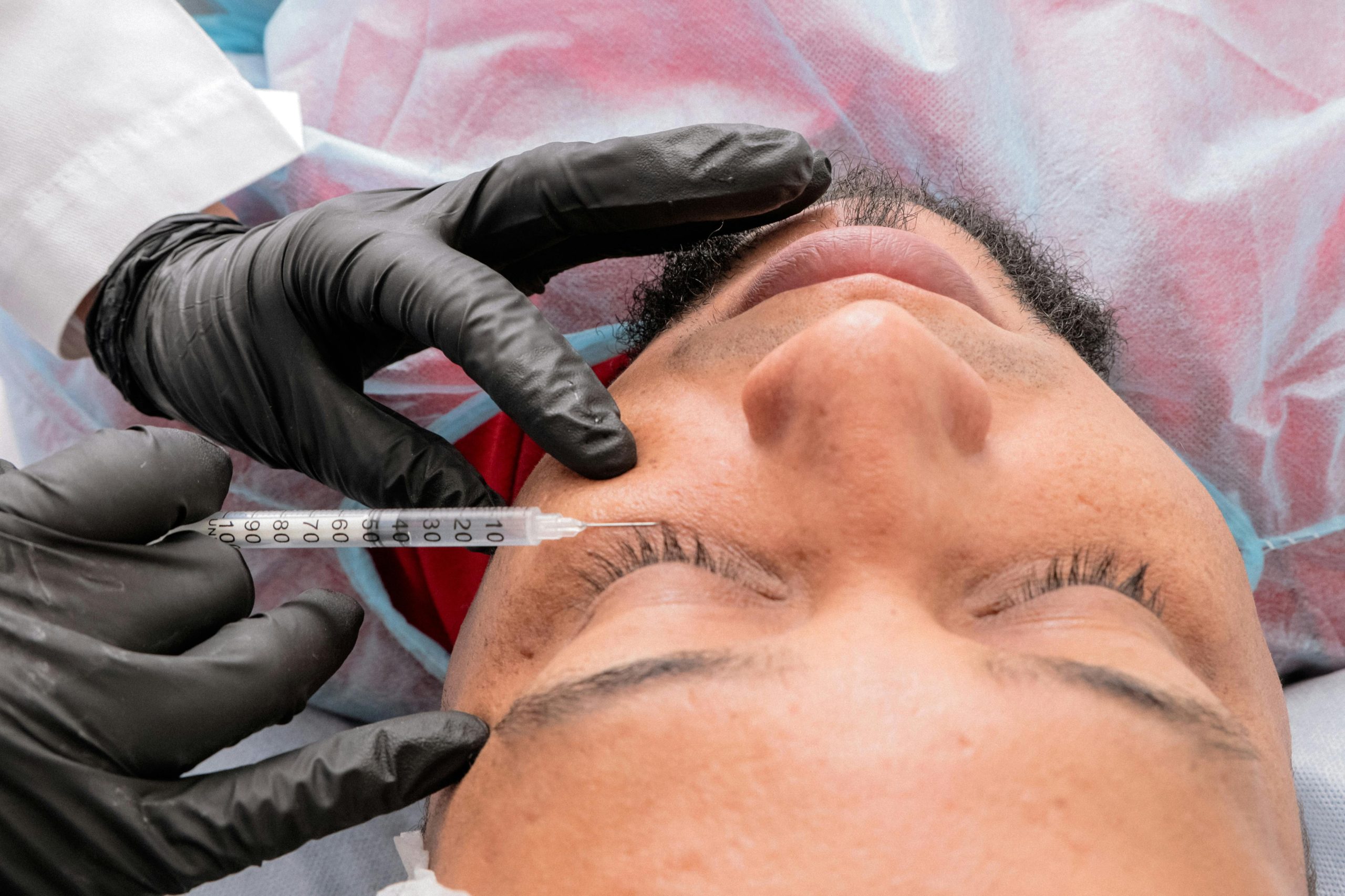
    Close-up of a precise facial injection at Derma Cosmedic Liverpool
    Precise, medically-led injecting at Derma Cosmedic, Liverpool

    Getting a Natural Result, Not Overfilled

    A natural cheek result comes from a few principles:

    • assessing the whole face, not just the cheeks in isolation
    • placing product at the correct depth for structural support
    • using a conservative amount and building gradually if needed
    • an experienced injector who understands facial proportion

    The aim at Derma Cosmedic is a refreshed, natural look, never the round, overdone appearance that comes from too much product placed poorly.

    Want subtle, natural cheek definition?

    Book a free consultation at Derma Cosmedic, Castle Street, Liverpool. You will get an honest assessment and a plan built around your face.

    Do Cheek Fillers Hurt and What About Swelling?

    Most people find cheek filler very tolerable. A numbing cream is applied, and most fillers contain a local anaesthetic, so the sensation is usually pressure rather than pain. Some swelling and occasionally mild bruising is normal afterwards and settles over a few days, with the final result best judged at around two weeks once any swelling has fully resolved.

    Cheek filler being administered by an experienced injector at Derma Cosmedic Liverpool
    Cheek filler placed by an experienced injector at Derma Cosmedic, Liverpool

    How Long Do Cheek Fillers Last?

    Cheek filler tends to last longer than filler in more mobile areas like the lips, typically around 12 to 18 months, though this varies with the product, the amount, and your metabolism. Because the cheeks move less than the lips, the result holds well, and many people maintain it with a top-up once the initial filler starts to soften.

    Cheek Filler Cost in Liverpool

    Cost depends on the amount of product used, which is guided by your anatomy and goals. Cheek treatment is usually priced by the millilitre, and a natural result often uses a modest amount placed strategically rather than large volumes. As with all injectables, be cautious of unusually low prices, since with cheeks you are paying for the injector’s understanding of facial structure. Exact pricing is confirmed at your free consultation.

    Can Cheek Filler Be Dissolved?

    Yes. Because cheek filler is hyaluronic acid, it can be dissolved with hyaluronidase if you are unhappy with the result or in the rare event of a complication. This is another reason to choose a medically-led clinic that holds hyaluronidase on site and knows how to use it safely.

    Cheek Fillers at Derma Cosmedic, Castle Street Liverpool

    Derma Cosmedic is based at 6-8 Castle Street, Liverpool L2 0NB, in the city centre. Cheek treatments are medically led and begin with a full-face assessment, so filler is placed to enhance your natural proportions rather than change your face. Derma Cosmedic is also a training academy, so professionals can explore filler and other accredited training courses, and you can read more about the team on our about page.

    Cheek filler consultation at Derma Cosmedic Liverpool
    Every filler treatment begins with a consultation at Derma Cosmedic, Liverpool

    The clinic holds a 4.9-star Google rating from 89 reviews and serves patients from across Merseyside including Wirral, Southport, St Helens, and Warrington. Consultations are free, with no obligation to proceed. The NHS guidance on cosmetic procedures is a useful reminder to choose a properly qualified provider for any injectable.

    ★★★★★
    Google Review

    “Caroline and her team have created an Oasis of all things aesthetics in Castle Street. Dr Angelica, such knowledge and care. A thorough consultation and amazing results. I have my smile back. Thanks so much and see you all soon.”

    Carla Lane-Smith, Google Review

    Book Your Free Cheek Filler Consultation in Liverpool

    Get a full-face assessment and a natural-result plan built around your proportions. No pressure, no obligation. 6-8 Castle Street, Liverpool L2 0NB.

    Book a Free Consultation

    Call: 0151 203 7988  |  Mon-Fri 9am-6pm, Sat 10am-4pm

    Frequently Asked Questions About Cheek Fillers in Liverpool

    How long do cheek fillers last?
    Cheek filler typically lasts around 12 to 18 months, longer than more mobile areas like the lips, though it varies with the product, amount, and your metabolism. Many people maintain the result with a top-up as the filler softens.
    Do cheek fillers hurt?
    Most people find it very tolerable. Numbing cream is applied and most fillers contain a local anaesthetic, so the sensation is usually pressure rather than pain. Some swelling and occasionally mild bruising can follow and settles over a few days.
    How do I avoid looking overfilled?
    A natural result comes from assessing the whole face, placing product at the correct depth, using a conservative amount, and an experienced injector who understands facial proportion. The overfilled look comes from too much product placed too superficially.
    How much do cheek fillers cost in Liverpool?
    Cost depends on the amount of product, usually priced by the millilitre, with a natural result often using a modest amount placed strategically. Exact pricing is confirmed at a free consultation.
    Can cheek filler be dissolved?
    Yes. Because it is hyaluronic acid, cheek filler can be dissolved with hyaluronidase if you are unhappy or in the rare event of a complication. Choosing a clinic that holds hyaluronidase on site is an important safety point.
    Can cheek filler lift the face?
    Well-placed cheek filler adds structural support to the midface, which can lift its appearance and subtly improve the area around the nose, mouth, and jawline. It is not the same as a surgical lift, but it can noticeably refresh the face.

  • How to Choose a Safe Aesthetic Clinic in Liverpool: 7 Questions to Ask

    How to Choose a Safe Aesthetic Clinic in Liverpool: 7 Questions to Ask

    Quick summary

    The single most important factor in a safe, natural result is who treats you. Before booking any aesthetic treatment in Liverpool, check the practitioner’s qualifications, whether prescription treatments are properly overseen, hygiene and complications processes, genuine reviews, and whether you feel any pressure to commit. This guide gives you seven clear questions to ask, so you can tell a medically-led clinic from a risky one before you hand over your face.

    Clinical tip from Catlin, Level 7 Aesthetic Practitioner

    The best clinics are happy to be questioned. If asking about qualifications, products, or complications makes a provider defensive, that is your answer. A confident, properly trained practitioner will welcome those questions, because they are the same ones they would ask on your behalf.

    Aesthetics is booming, and that is not entirely good news for patients. Alongside excellent medically-led clinics, there are providers with minimal training offering the same treatments at lower prices, and it can be genuinely hard to tell them apart from a glossy Instagram page. Knowing what to ask is your best protection, whether you are considering anti-wrinkle injections, fillers, or a skin treatment.

    This guide gives you the honest checklist, from the perspective of a medically-led clinic in Liverpool city centre.

    Why the Clinic You Choose Matters

    Aesthetic treatments are medical procedures, even when they are marketed as beauty. Injectables carry real risks in untrained hands, from lumps and asymmetry to rare but serious vascular complications. The difference between a good outcome and a damaging one usually comes down to the practitioner’s training, their understanding of anatomy, and their ability to recognise and manage a problem if one arises.

    Skin analysis consultation at Derma Cosmedic Liverpool
    A proper consultation and skin assessment at Derma Cosmedic, Castle Street, Liverpool

    The 7 Questions to Ask Before You Book

    Use these seven questions with any Liverpool clinic you are considering:

    • What are the practitioner’s qualifications and are they medically trained?
    • Who prescribes prescription treatments, and how is that overseen?
    • What products are used, and are they regulated and named?
    • What happens if something goes wrong, and can complications be managed?
    • Can I see genuine reviews and real, unedited results?
    • Will I get a proper consultation, or just a sales pitch?
    • Is there any pressure to commit or pay today?

    Check the Practitioner’s Qualifications

    Ask directly what qualifications the person treating you holds. Medically qualified practitioners such as doctors, nurses, and dentists, and those with advanced aesthetic qualifications like Level 7, have the deepest training. For prescription treatments such as wrinkle-relaxing injections, a prescriber must assess you, so ask who that prescriber is and how the process works. A reputable clinic answers these questions openly.

    Want a clinic that welcomes your questions?

    Book a free, no-pressure consultation at Derma Cosmedic, Castle Street, Liverpool. Ask anything, and get honest answers before you decide.

    Ask About Safety, Hygiene and Complications

    A safe clinic treats in a clean, appropriate clinical setting, uses regulated products it will name for you, and has a clear plan for managing complications. For hyaluronic acid fillers, that includes keeping hyaluronidase on site to dissolve filler in an emergency. Ask what would happen if you had a reaction or were unhappy, and listen for a confident, specific answer rather than reassurance without detail.

    The medically-led team at Derma Cosmedic Liverpool
    The medically-led team at Derma Cosmedic, Castle Street, Liverpool

    Look at Genuine Reviews and Real Results

    Reviews are one of the strongest trust signals, especially those that name a practitioner and describe a specific treatment and outcome. Look for consistency across independent platforms such as Google, and be cautious of results photos that look too flawless to be real. Honest before-and-afters show natural, believable change, not dramatic transformations.

    Medically-led aesthetic practitioner at Derma Cosmedic Liverpool
    Medically-led, named practitioners at Derma Cosmedic, Liverpool

    Beware Pressure and Prices That Seem Too Good

    Aggressive upselling, limited-time pressure to pay today, and prices well below everyone else are all warning signs. With aesthetics, an unusually low price often reflects a cut somewhere that matters, whether that is training, product quality, or safety. A trustworthy clinic gives you space to think, and prices its treatments to reflect genuine expertise and a safe setting. A little context here helps: our guides to dermal fillers and HIFU explain what genuinely goes into a safe result.

    What a Good Consultation Feels Like

    A good consultation feels like an assessment, not a sale. You should feel listened to, have your goals and concerns properly discussed, be given honest advice, including being told when a treatment is not right for you, and leave with no pressure to book. If you leave feeling heard and informed rather than pushed, that is the clinic worth trusting. The NHS guidance on cosmetic procedures makes the same point about taking your time and checking your provider carefully.

    Why Patients Choose Derma Cosmedic, Castle Street Liverpool

    Derma Cosmedic is a medically-led clinic at 6-8 Castle Street, Liverpool L2 0NB. Treatments are delivered by qualified practitioners, consultations are free and pressure-free, and the clinic holds a 4.9-star Google rating from 89 reviews with a Top 7 UK non-surgical facelift award. It is also an accredited training academy, which reflects the standard of clinical practice; you can read more on our about page or explore the training courses the team delivers to other professionals.

    Derma Cosmedic clinic exterior on Castle Street Liverpool
    Derma Cosmedic, 6-8 Castle Street, Liverpool city centre

    The clinic serves patients from across Merseyside including Wirral, Southport, St Helens, and Warrington.

    ★★★★★
    Google Review

    “I have had a few treatments now with Caroline and I have to say she is absolutely amazing! She made me feel very welcome and took the time to explain in detail how each treatment worked. She is very professional, but down to earth.”

    Fiona Burke, Google Review

    Book a Free, No-Pressure Consultation in Liverpool

    Ask every question on this list and get honest answers before you decide anything. 6-8 Castle Street, Liverpool L2 0NB.

    Book a Free Consultation

    Call: 0151 203 7988  |  Mon-Fri 9am-6pm, Sat 10am-4pm

    Frequently Asked Questions About Choosing an Aesthetic Clinic in Liverpool

    How do I know if an aesthetic clinic in Liverpool is safe?
    Check the practitioner’s qualifications, how prescription treatments are overseen, the products used, hygiene and complications processes, and genuine reviews. A safe clinic answers these questions openly and gives you a pressure-free consultation.
    What qualifications should my practitioner have?
    Medically qualified practitioners such as doctors, nurses and dentists, and those with advanced qualifications like Level 7, have the deepest training. For prescription treatments a prescriber must assess you, so ask who that is and how it works.
    Why are some clinics so much cheaper?
    An unusually low price often reflects a cut somewhere that matters, such as training, product quality, or safety. With aesthetics you are paying for expertise and a safe setting, so treat prices well below everyone else with caution.
    What should happen if something goes wrong?
    A good clinic can recognise and manage complications, and for hyaluronic acid fillers keeps hyaluronidase on site to dissolve filler in an emergency. Ask what would happen if you had a reaction and listen for a specific, confident answer.
    Should I feel any pressure to book?
    No. A trustworthy clinic gives you space to think and never pressures you to pay today. A good consultation feels like an assessment, including honest advice about when a treatment is not right for you.

  • Fat Dissolving Injections in Liverpool: Lemon Bottle, Aqualyx and What to Expect

    Fat Dissolving Injections in Liverpool: Lemon Bottle, Aqualyx and What to Expect

    Quick summary

    Fat dissolving injections break down small, stubborn pockets of fat that do not shift with diet and exercise, such as under the chin or on the flanks. Most people need a course of 2 to 4 sessions spaced a few weeks apart, with results building over the following weeks. Some swelling afterwards is normal and expected. This guide covers how they work, which areas suit them, Lemon Bottle versus Aqualyx, results, downtime, and cost in Liverpool.

    Clinical tip from Catlin, Level 7 Aesthetic Practitioner

    Fat dissolving injections are for small, defined pockets, not weight loss. The best results come from realistic areas like a double chin or the flanks in someone already close to their target weight. Expect swelling after treatment, particularly under the chin, where it can last several days. That swelling is normal and not the final result.

    Fat dissolving injections have become a popular way to target the small, stubborn areas that resist diet and exercise. They are often searched alongside Lemon Bottle fat dissolving in Liverpool, one of the most requested versions of the treatment, but there is a lot of confusion about what they can realistically achieve.

    This guide gives you the honest version: how the injections work, which areas suit them, how the main products compare, what recovery involves, and what it costs. It is based on clinical experience delivering body contouring at Derma Cosmedic in Liverpool city centre.

    How Fat Dissolving Injections Work

    Fat dissolving injections contain a solution that breaks down the wall of fat cells in the treated area. Once the fat cells are broken down, the body processes and clears the released contents naturally through its normal metabolic pathways over the following weeks. Because the fat cells themselves are destroyed, the reduction in the treated area is long lasting when your weight stays stable.

    Fat dissolving injections in Liverpool at Derma Cosmedic
    Fat dissolving treatment at Derma Cosmedic, 6-8 Castle Street, Liverpool city centre

    The treatment is delivered as a series of small injections directly into the fat, which is why it suits precise, smaller areas rather than large volumes of fat.

    Which Areas Can Be Treated?

    Fat dissolving injections work best on small, defined pockets of fat, most commonly:

    • under the chin (a double chin)
    • jowls and along the jawline
    • flanks and the waistline
    • stomach pockets
    • inner thighs and knees
    • upper arms

    For larger areas, a non-needle option such as CoolSculpting fat freezing is often the better fit, and this is one of the first things assessed at consultation.

    Lemon Bottle fat dissolving injection treatment at Derma Cosmedic Liverpool
    Fat dissolving treatment for stubborn pockets at Derma Cosmedic, Liverpool

    Lemon Bottle vs Aqualyx

    The two most talked-about products work toward the same goal with some differences:

    Product Notes
    Lemon Bottle Popular newer formula; often associated with less swelling for some clients
    Aqualyx Well-established fat dissolving treatment used across many areas

    The right product depends on the area, your skin, and your goal. A consultation will recommend the option best suited to you rather than a one-size approach.

    Not sure if fat dissolving suits your area?

    Book a free consultation at Derma Cosmedic, Castle Street, Liverpool. You will get an honest assessment of whether injections or another treatment suits your goal.

    Does Fat Dissolving Work and What Results to Expect

    Yes, for the right area and candidate. A completed course produces a visible reduction in the treated pocket of fat, and because the fat cells are destroyed rather than shrunk, the result is long lasting with a stable weight. The honest caveats: results are gradual over weeks, more than one session is usually needed, and it is a contouring treatment, not a weight-loss method.

    Fat dissolving injection result at Derma Cosmedic Liverpool
    Body contouring result following fat dissolving at Derma Cosmedic, Liverpool

    Many clients pair fat reduction with skin tightening, since reducing fat can occasionally reveal mild skin laxity. Where that is a concern, combining treatment with HIFU skin tightening or the Lysiwave body system gives a smoother overall result.

    What to Expect and Downtime

    The treatment itself involves a series of small injections, usually after the area is cleaned and sometimes numbed. Afterwards, swelling is normal and expected, and is often most noticeable under the chin. You may also experience:

    • swelling that can last several days, particularly under the chin
    • tenderness, warmth, or firmness in the area
    • mild bruising or redness that settles over a few days

    These responses are part of how the treatment works and are not a sign anything is wrong. Most people continue normal activities, though it is sensible to plan treatment when a few days of visible swelling will not be a problem.

    How Many Sessions and Cost in Liverpool

    Most people need a course of 2 to 4 sessions spaced a few weeks apart, with the exact number depending on the area and the amount of fat. Cost depends on the area treated, the product used, and the number of sessions, and a course is usually better value than single sessions. Exact pricing is confirmed at your consultation, built around your specific area and goal.

    Fat Dissolving at Derma Cosmedic, Castle Street Liverpool

    Derma Cosmedic is based at 6-8 Castle Street, Liverpool L2 0NB, in the city centre. Every treatment begins with an honest consultation to confirm whether fat dissolving injections are the right route for your area, or whether an alternative would serve you better. Derma Cosmedic is also a training academy, so professionals can explore fat dissolving and other accredited training courses.

    Fat dissolving injection treatment at Derma Cosmedic Liverpool
    Fat dissolving treatment in progress at Derma Cosmedic, Liverpool

    The clinic holds a 4.9-star Google rating from 89 reviews and serves patients from across Merseyside including Wirral, Southport, St Helens, and Warrington. Consultations are free, with no obligation to proceed. The NHS guidance on cosmetic procedures is a useful reminder to choose a reputable, properly trained provider.

    ★★★★★
    Google Review

    “Really professional and friendly clinic, staff are fantastic. I met Caroline, discussed all my options and treatments and what was right for me. The results have left me speechless. I have tried several personal trainers, diets etc and have been nowhere close to the results I see today in my body shape. I am so glad I chose this clinic. I am finally getting my confidence and body back.”

    Bev Donnelly, Google Review

    Book Your Free Fat Dissolving Consultation in Liverpool

    Find out whether fat dissolving injections suit your area, how many sessions you would need, and the cost for your goal. No obligation. 6-8 Castle Street, Liverpool L2 0NB.

    Book a Free Consultation

    Call: 0151 203 7988  |  Mon-Fri 9am-6pm, Sat 10am-4pm

    Frequently Asked Questions About Fat Dissolving Injections in Liverpool

    Do fat dissolving injections work?
    Yes, for small, defined pockets of fat in a suitable candidate. A completed course visibly reduces the treated area, and because the fat cells are destroyed the result is long lasting with a stable weight. It is a contouring treatment, not weight loss.
    How many sessions will I need?
    Most people need a course of 2 to 4 sessions spaced a few weeks apart, with the number depending on the area and amount of fat. Your plan is confirmed at consultation.
    How much do fat dissolving injections cost in Liverpool?
    Cost depends on the area, the product used, and the number of sessions, with a course usually better value than single sessions. Exact pricing is confirmed at a free consultation.
    How much swelling should I expect?
    Swelling is normal and expected, particularly under the chin, where it can last several days. Tenderness, warmth, and mild bruising can also occur. This is part of how the treatment works, so it is sensible to plan around a few days of visible swelling.
    Lemon Bottle or Aqualyx, which is better?
    Both work toward the same goal. Lemon Bottle is a popular newer formula sometimes associated with less swelling, while Aqualyx is a well-established treatment used across many areas. The right choice depends on your area and is recommended at consultation.
    Fat dissolving injections or CoolSculpting?
    Injections suit smaller, precise areas such as under the chin, while CoolSculpting fat freezing suits larger pinchable areas with no needles. The right option depends on your area and preference, decided at consultation.

  • Microneedling in Liverpool: Skin Renewal for Scars, Pores and Fine Lines

    Microneedling in Liverpool: Skin Renewal for Scars, Pores and Fine Lines

    Quick summary

    Microneedling creates controlled micro-channels in the skin to trigger natural collagen production, improving acne scarring, enlarged pores, fine lines, and overall texture. Most people need a course of 3 to 6 sessions spaced 4 to 6 weeks apart, with results building over the following months. It suits most skin tones and has minimal downtime. This guide covers how it works, what it treats, aftercare, how many sessions you need, and cost in Liverpool.

    Clinical tip from Catlin, Level 7 Aesthetic Practitioner

    Professional microneedling and an at-home derma roller are not the same treatment. Clinical devices reach a controlled, adjustable depth under sterile conditions, which is what produces real collagen remodelling. Home rollers work at the surface and, used incorrectly, can spread bacteria and cause irritation without the results.

    Microneedling has become one of the most requested skin treatments in Liverpool, and for good reason: it works with your own biology to improve the skin rather than masking concerns. It is a genuine option for acne scarring, texture, and early lines, and it pairs well with other skin treatments such as chemical skin peels as part of a wider plan.

    This guide gives you the honest version: how microneedling works, what it realistically treats, what aftercare involves, and how many sessions you actually need. It is based on clinical experience delivering skin treatments at Derma Cosmedic in Liverpool city centre.

    How Microneedling Works

    Microneedling uses a device with fine, sterile needles to create tiny, controlled micro-channels in the skin. These micro-injuries are superficial and healing, and the body responds by producing new collagen and elastin, the proteins that keep skin firm, smooth, and resilient. As this new collagen forms, scarring softens, pores appear smaller, and skin texture improves.

    Medical microneedling treatment in Liverpool at Derma Cosmedic
    Medical microneedling at Derma Cosmedic, 6-8 Castle Street, Liverpool city centre

    The micro-channels also allow skincare actives to penetrate more effectively immediately after treatment, which is why microneedling is often paired with serums or regenerative treatments to enhance the result.

    What Microneedling Treats

    Microneedling is versatile, which is part of its appeal. It is commonly used for:

    • acne scarring and other textured scarring
    • enlarged or congested pores
    • fine lines and early signs of ageing
    • uneven skin texture and dullness
    • some types of pigmentation and uneven tone
    • overall skin quality and firmness

    For deeper regeneration, microneedling combines well with polynucleotide treatment, which supports skin repair at a cellular level alongside the collagen stimulation microneedling provides.

    Does Microneedling Actually Work?

    Yes, for the concerns it is suited to, and when delivered properly. Collagen induction is a well-established mechanism, and microneedling has good evidence for improving acne scarring and skin texture in particular. The key caveats are honest ones: results build gradually over weeks and months, a course is usually needed rather than a single session, and it is not a treatment for deep wrinkles or significant skin laxity, where other options are more appropriate.

    Microneedling skin treatment close up at Derma Cosmedic Liverpool
    Controlled, medical-grade microneedling at Derma Cosmedic, Liverpool

    Not sure if microneedling is right for your skin concern?

    Book a free skin consultation at Derma Cosmedic, Castle Street, Liverpool. You will get an honest assessment and a plan tailored to your skin.

    Microneedling vs RF Microneedling vs Derma Roller

    These terms get used interchangeably, but they are different:

    Method How it works Best for
    Professional microneedling Controlled needle depth, sterile device Scarring, pores, texture, tone
    RF microneedling Adds radiofrequency heat at depth Texture plus mild skin tightening
    At-home derma roller Shallow, surface-level only Limited; risk if misused

    What to Expect During Treatment

    A numbing cream is applied first, so the treatment is comfortable for most people, described as a light scratching or vibrating sensation rather than pain. A session typically takes 30 to 60 minutes including numbing time. Immediately afterwards, the skin usually looks flushed, similar to mild sunburn, which is a normal sign the treatment has done its job.

    Microneedling device treating the skin at Derma Cosmedic Liverpool
    Microneedling in progress at Derma Cosmedic, Liverpool

    Who Is Microneedling Suitable For?

    Microneedling suits most skin tones and is a good option if you are looking to improve skin quality without significant downtime. It is worth discussing your history at consultation first, because it is not the right time to treat if you:

    • have active acne, a cold sore, or a skin infection in the area
    • are pregnant or breastfeeding
    • have certain skin conditions or are prone to keloid scarring
    • have used strong prescription skin treatments recently

    A consultation confirms whether microneedling is right for you now, or whether preparing the skin first, or a different treatment, would serve you better.

    Microneedling Aftercare

    Good aftercare protects your result and your skin. In the first 24 to 48 hours:

    • avoid make-up on the treated area to let the micro-channels close
    • avoid heat, saunas, intense exercise, and swimming
    • keep the skin clean and hydrated with recommended products only
    • apply SPF and avoid direct sun
    • do not pick or exfoliate; let any flaking settle naturally

    Redness usually settles within a day or two, and any mild flaking resolves over the following days as fresh skin comes through.

    How Many Sessions and Cost in Liverpool

    Most people need a course of 3 to 6 sessions spaced 4 to 6 weeks apart, with the number depending on the concern. Acne scarring generally needs more sessions than a general skin-quality refresh. Cost depends on the number of sessions and whether treatment is combined with serums or regenerative add-ons, and a course is usually better value than single sessions. Exact pricing is confirmed at your consultation, built around your skin goal.

    Combining Microneedling with Other Treatments

    Microneedling is often part of a wider plan rather than a standalone fix. It pairs well with regenerative injectables and skin boosters for a stronger result, and with volume treatments such as dermal fillers where volume loss is also a concern. A consultation will identify whether a combination approach suits your skin better than microneedling alone.

    Microneedling at Derma Cosmedic, Castle Street Liverpool

    Derma Cosmedic is based at 6-8 Castle Street, Liverpool L2 0NB, in the city centre. Every microneedling treatment begins with a skin consultation, so the depth and plan are matched to your concern and skin type. Derma Cosmedic is also a training academy, so professionals wanting to learn the treatment can explore the accredited training courses on offer. You can read more about the clinic and team on our about page.

    Skin treatment room at Derma Cosmedic Liverpool
    The treatment clinic at Derma Cosmedic, Liverpool city centre

    The clinic holds a 4.9-star Google rating from 89 reviews and serves patients from across Merseyside including Wirral, Southport, St Helens, and Warrington. Consultations are free, with no obligation to proceed. As a reminder, the NHS guidance on cosmetic procedures recommends choosing a reputable, well-trained provider for any skin treatment.

    ★★★★★
    Google Review

    “Had such a wonderful experience! All the staff are welcoming. My appointment was with Jen and she was fabulous. I was given a free skin consultation prior to the treatment which helped investigate my skin concerns and focus on the areas that needed the most attention. I did micro-needling; can’t wait to see the results. Also, a personalized skincare plan is provided which can be easily done at home. Highly recommended this place!”

    Ukesh Khadka, Google Review

    Book Your Free Microneedling Consultation in Liverpool

    Get a skin assessment and a plan built around your concern, whether that is scarring, texture, or early lines. No obligation. 6-8 Castle Street, Liverpool L2 0NB.

    Book a Free Consultation

    Call: 0151 203 7988  |  Mon-Fri 9am-6pm, Sat 10am-4pm

    Frequently Asked Questions About Microneedling in Liverpool

    Does microneedling actually work?
    Yes, for concerns like acne scarring, pores, and texture, when delivered properly. It stimulates collagen through a well-established mechanism, with results building gradually over weeks and months across a course. It is not suited to deep wrinkles or significant laxity.
    How many microneedling sessions will I need?
    Most people need 3 to 6 sessions spaced 4 to 6 weeks apart. Acne scarring generally needs more sessions than a general skin-quality refresh. Your plan is confirmed at consultation.
    What is microneedling aftercare?
    For the first 24 to 48 hours, avoid make-up, heat, saunas and intense exercise, keep skin clean and hydrated, apply SPF, and avoid picking or exfoliating. Redness usually settles within a day or two.
    How much does microneedling cost in Liverpool?
    Cost depends on the number of sessions and any serum or regenerative add-ons, with a course usually better value than single sessions. Exact pricing is confirmed at a free consultation, built around your skin goal.
    Is professional microneedling better than an at-home derma roller?
    Yes. Clinical devices reach a controlled, adjustable depth under sterile conditions, which is what produces genuine collagen remodelling. Home rollers work at the surface and, used incorrectly, can spread bacteria and cause irritation without the results.
    Does microneedling hurt?
    A numbing cream is applied first, so most people find it comfortable, describing a light scratching or vibrating sensation rather than pain. The skin looks flushed straight afterwards, which settles within a day or two.

  • Aesthetics Training in Liverpool: How to Start a Career in Aesthetics in 2026

    Aesthetics Training in Liverpool: How to Start a Career in Aesthetics in 2026

    Quick summary

    You do not always need to be a nurse to train in aesthetics, but the treatments you can legally and safely offer depend on your qualification and, for prescription treatments, on a prescriber. Accredited, insurance-recognised training with plenty of hands-on practice on real models is what turns a certificate into genuine confidence. This guide covers the qualification routes, who can train, how long it takes to start treating clients, insurance, and what to look for in a Liverpool academy.

    Training tip from Caroline, Lead Trainer at Derma Cosmedic

    The certificate is not the finish line, confidence is. The clinics whose graduates go on to build real client lists are the ones offering enough live-model practice and genuine after-course support. When you compare courses, ask two questions: how many real models will I treat, and can I contact my trainer after I qualify?

    The hardest part of getting into aesthetics is not the training itself. It is working out which training actually counts, who is allowed to do what, and how to turn a weekend course into a career you can insure and build on. The industry is full of conflicting advice, and a lot of it is written to sell a course rather than to help you make the right decision.

    This guide gives you the honest landscape from a working Liverpool training academy, so you can choose a route that fits your background and your goals.

    Do You Need to Be a Nurse to Train in Aesthetics?

    Not necessarily. Beauty therapists, nurses, dentists, doctors, and complete career changers can all enter aesthetics, but the route and the treatments open to you differ. Nurses, dentists, and doctors are medically qualified and can access the widest range of treatments, including prescription-only options. Beauty therapists and newcomers typically start with foundation treatments and skin-focused work, then build up.

    Aesthetics training team at Derma Cosmedic academy in Liverpool
    Hands-on aesthetics training at Derma Cosmedic, Castle Street, Liverpool

    An important point on injectables: prescription treatments such as wrinkle-relaxing injections require a prescriber to assess the client and issue a prescription. Non-medics can be trained to administer certain treatments while working with a prescriber, so the key is understanding your scope and building the right professional relationships. A reputable academy will be honest with you about this from the start.

    The Qualification Landscape: VTCT, CPD, Level 4 and Level 7

    The alphabet soup of qualifications puts a lot of people off. Here is what the main terms actually mean:

    Term What it means
    VTCT A recognised awarding body; VTCT qualifications are widely accepted by insurers
    CPD Continuing Professional Development; accredited short courses to add skills
    Level 4 A common entry standard for many aesthetic treatments
    Level 7 The advanced, gold-standard qualification in injectables and aesthetic medicine

    The practical takeaway is that accreditation and insurance recognition matter more than the marketing around a course name. You can verify awarding bodies independently; for example, the VTCT website sets out its recognised qualifications. Derma Cosmedic is a 4T Medical Approved Training Provider, and its courses are built around accreditation that insurers accept.

    Not sure which course is right for your background?

    Explore the accredited courses at Derma Cosmedic Academy, Castle Street, Liverpool, or get in touch to talk through the best route for you.

    What You Learn on an Aesthetics Course at Derma Cosmedic

    Courses range from foundation skin treatments through to advanced injectables, and cover both the clinical skill and the business side of building a client base. Depending on the course, hands-on training can include:

    • skin treatments such as chemical peels and microneedling
    • injectable foundations, including dermal fillers and wrinkle-relaxing treatments
    • advanced treatments such as skin boosters, polynucleotides, and PRP
    • machine-based treatments like HIFU and laser
    • consultation, consent, complications awareness, and aftercare
    Microneedling training on a model at Derma Cosmedic academy Liverpool
    Practical, model-based training at Derma Cosmedic Academy, Liverpool

    How Long Does It Take to Start Treating Clients?

    Shorter CPD and foundation courses can be completed in a day or two, with theory often done beforehand so the practical day is focused on hands-on work. Fast-track programmes bundle several treatments into an intensive week. The realistic timeline to confidently treating paying clients depends less on the course length and more on how much supervised practice you get and how well supported you are afterwards.

    At Derma Cosmedic, most of the theory is completed before the practical day, and the practical is built around treating real models under supervision, which is what builds genuine confidence rather than just a certificate.

    Training clinic treatment room at Derma Cosmedic academy Liverpool
    The training clinic at Derma Cosmedic, 6-8 Castle Street, Liverpool

    Insurance and Getting Set Up

    To treat clients you need insurance, and insurers want to see recognised, accredited training for each treatment you offer. This is exactly why accreditation matters when choosing a course. Once qualified, you will typically also need to consider your treatment setting, product suppliers, consent and record-keeping processes, and, for prescription treatments, a working relationship with a prescriber.

    Why Train in Liverpool at Derma Cosmedic

    Derma Cosmedic Academy is based at 6-8 Castle Street, Liverpool L2 0NB, in the city centre, and is a 4T Medical Approved Training Provider. Training is led by Caroline and a medically-experienced team, with an emphasis on live-model practice and after-course support that graduates can actually reach when they have a question. You can see the full range on the course hub, or read more about the clinic and team on our about page.

    Derma Cosmedic training academy on Castle Street, Liverpool
    Derma Cosmedic Academy, Castle Street, Liverpool city centre

    The academy trains students who travel from across the Northwest and beyond, and holds a 4.9-star Google rating from 89 reviews spanning both patients and training students.

    ★★★★★
    Google Review

    “I had such a great experience training here! From start to finish, everything was professional, welcoming, and really well organised. Caroline was incredibly knowledgeable and took the time to explain everything clearly, which made me feel confident and supported throughout. The hands-on practice was especially valuable and really helped build my confidence. I’d highly recommend training here to anyone thinking of getting into the industry!”

    Nadine Anderson, Google Review

    Start Your Aesthetics Career in Liverpool

    Talk to the team about the right training route for your background, from foundation courses to advanced injectables. 6-8 Castle Street, Liverpool L2 0NB.

    View Training Courses

    Call: 0151 203 7988  |  Mon-Fri 9am-6pm, Sat 10am-4pm

    Frequently Asked Questions About Aesthetics Training in Liverpool

    Do I need to be a nurse to train in aesthetics?
    No. Beauty therapists, nurses, dentists, doctors, and career changers can all train, but the treatments open to you depend on your background. Prescription treatments require a prescriber, and non-medics can be trained to administer certain treatments while working with one. A reputable academy will explain your scope honestly.
    Is the training recognised by insurance providers?
    Insurers want to see recognised, accredited training for each treatment. Derma Cosmedic is a 4T Medical Approved Training Provider and its courses are built around accreditation that insurers accept, which is what lets you get insured to treat clients.
    How long before I can start treating clients?
    Foundation and CPD courses can be completed in a day or two, and fast-track programmes in an intensive week. The realistic timeline depends on how much supervised model practice you get and the support available afterwards, not just the course length.
    What is the difference between Level 4 and Level 7?
    Level 4 is a common entry standard for many aesthetic treatments, while Level 7 is the advanced, gold-standard qualification in injectables and aesthetic medicine. The right level depends on your background and how far you want to take your practice.
    Will I get to practise on real models?
    Yes. Live-model practice is central to the training at Derma Cosmedic, because supervised hands-on experience is what builds genuine confidence. Graduates also receive after-course support they can reach when they have a question.

Chat on WhatsApp