
Quick summary
Polynucleotides improve skin quality rather than adding volume, so the before and after difference is gradual. Most patients notice brighter, firmer under-eye skin around three to four weeks after their first session, with the full result about eight to twelve weeks after starting a course of three. Results usually last six to nine months. At Derma Cosmedic in Liverpool, under-eye treatment starts from £199 a session with Lumi Eyes and £238.80 with standard polynucleotides.
Clinical tip from Catlin, Level 7 Aesthetic Practitioner
Judge your result at the review appointment, not in the mirror on day two. Polynucleotides leave small raised bumps under the skin for the first day, and the under-eye can look slightly puffy before it looks better. The real change is in skin thickness and texture, and it is easiest to see when you compare photographs taken in the same light at the start and at week eight.
Polynucleotides have become one of the most requested treatments at Derma Cosmedic’s Castle Street clinic, and almost every consultation starts the same way: what will my skin actually look like afterwards, and how long until I see it? The honest answer is that polynucleotides work more slowly and more subtly than filler, because the change comes from your own skin repairing itself. That is also why the results look natural, and why polynucleotide treatment in Liverpool suits people who want to look rested rather than changed.
The under-eye area is where the before and after difference shows most clearly. Thin, crepey skin, a dull grey shadow and fine dehydration lines are all concerns that respond well, and a dedicated under-eye formula such as Lumi Eyes is designed for that delicate skin. On the face and neck, polynucleotides improve texture, firmness and hydration, and they are often paired with skin boosters when dehydration is the main complaint.
Every patient responds at a slightly different pace, so the timings quoted for polynucleotides are typical rather than promised. Your age, skin thickness, sun exposure and the area being treated all shape how quickly the change appears and how long it lasts. Your practitioner takes photographs at your first visit and confirms your own plan, including the number of sessions, before any treatment begins.
Polynucleotides Before and After: Real Under-Eye Results in Liverpool
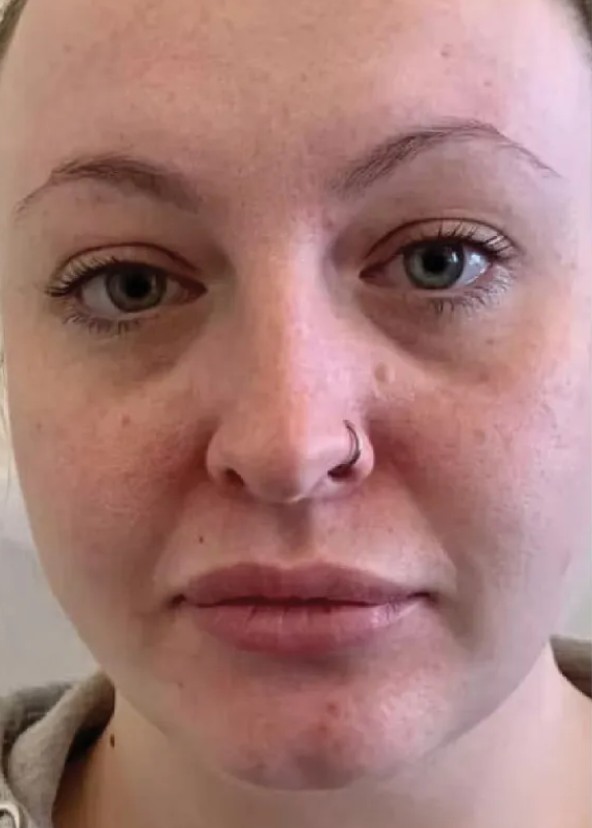
Before
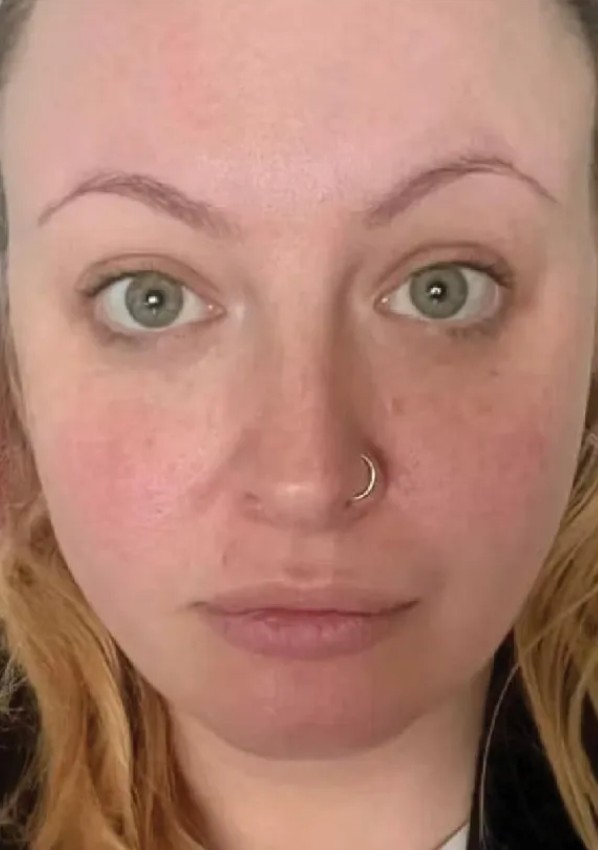
After
This patient came to the Castle Street clinic with dark shadowing under both eyes and skin that looked thin and slightly hollow, the kind of tiredness that does not shift with sleep or eye cream. After polynucleotide treatment to the under-eye area, the skin looks brighter and smoother, the grey tone has softened and the eyes look more rested. The shape of the face is unchanged, because nothing has been filled or lifted. Polynucleotides improve the skin itself, which is what keeps the result looking natural.
The improvement comes from the skin itself. As the under-eye skin thickens and holds more water, it becomes less translucent, so the dark vessels and muscle beneath show through less. That is why polynucleotides work well for shadowing caused by thin skin, and less well for darkness caused by pigment or by a deep hollow, which need a different approach.
Before and after photographs are only useful when they are honest. Derma Cosmedic photographs patients in the same position and lighting at each stage, without filters, and shows its own patients rather than manufacturer images. When comparing clinics, ask to see their own results for the exact area you want treated.
Wondering what polynucleotides could do for your under-eyes?
Book a consultation at Derma Cosmedic, 6-8 Castle Street, Liverpool. Your skin is assessed in person and you get an honest view of the result you can expect.
What Are Polynucleotides and How Do They Improve Your Skin?

Polynucleotides are purified fragments of DNA, usually taken from salmon or trout, whose structure is close enough to human DNA for your cells to recognise and use. They are injected into the skin in tiny amounts, where they act as a repair signal. Fibroblasts, the cells that produce collagen and elastin, respond by becoming more active, and the skin improves its ability to hold water.
This makes polynucleotides a regenerative treatment rather than a filler. Filler adds volume by occupying space, so the change is immediate. Polynucleotides add almost no volume at all, so the change builds over weeks as your own tissue responds. The result is skin that is thicker, firmer and better hydrated, with a smoother surface and fewer fine lines.
Because they do not add bulk, polynucleotides suit areas where filler can look heavy or puffy. The under-eye is the obvious example, but they are also used on the neck, décolletage and backs of the hands, where skin quality matters more than volume. They can also calm reactive skin, which makes them useful alongside rosacea or after a course of resurfacing treatments.
Polynucleotides Results Timeline: What to Expect Week by Week
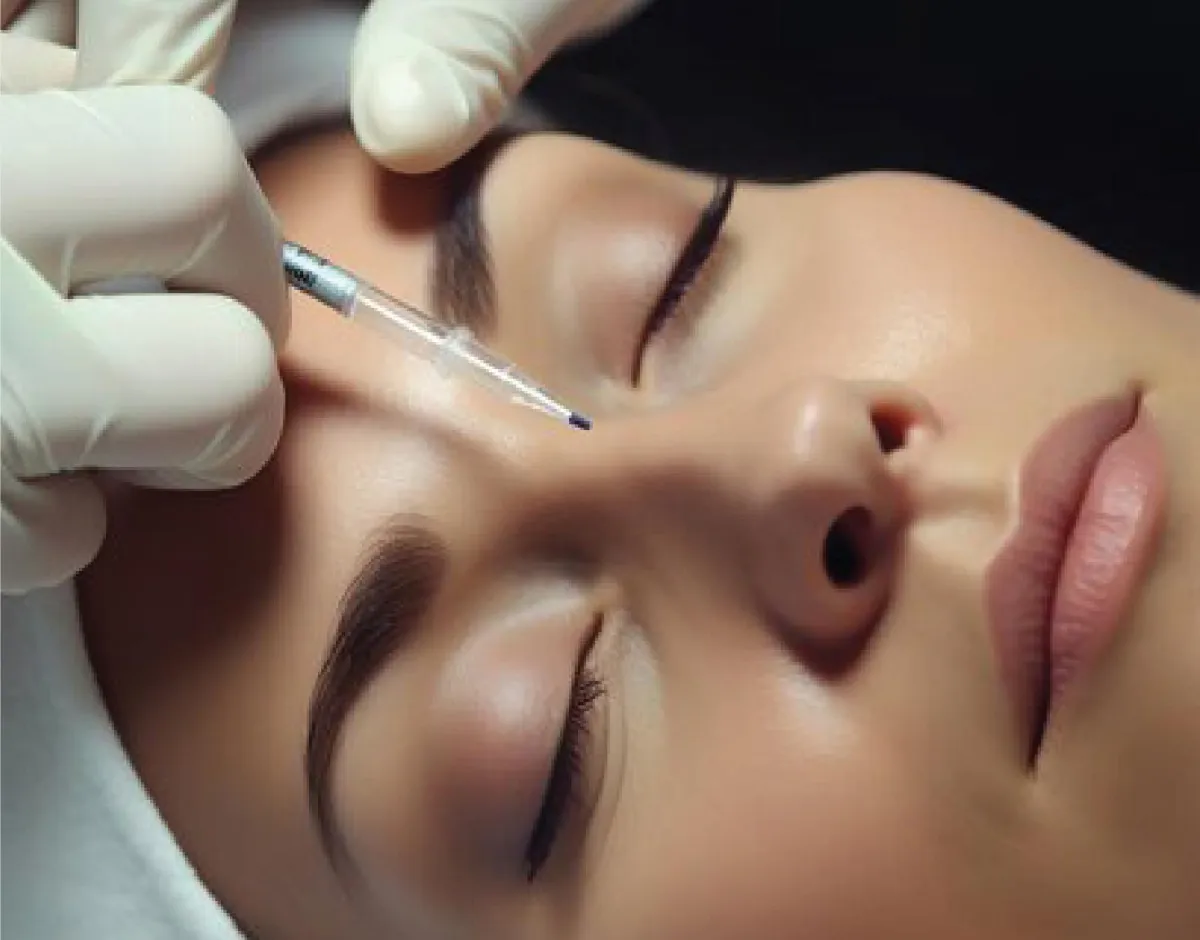
The most common question after a first session is how long polynucleotides take to work. The skin starts its repair response within days, but visible change usually takes three to four weeks, because new collagen takes time to form. Most patients describe the early change as their skin looking fresher and better hydrated, before any firmness becomes noticeable.
| Timeframe | What you are likely to notice |
|---|---|
| Immediately after | Small raised bumps at each injection point, mild redness and occasionally a pinprick bruise |
| 24 to 48 hours | Bumps have settled. The under-eye may look a little puffy for a day or two |
| Week 1 | Any bruising fades. Skin looks as it did before treatment while repair begins underneath |
| Weeks 2 to 4 | Better hydration and a brighter, less tired look. Your second session usually falls here |
| Weeks 4 to 8 | Skin feels thicker and smoother, fine lines soften and shadowing under the eyes reduces |
| Weeks 8 to 12 | The full result of a three-session course, with collagen still developing for a few weeks after |
The timeline matters if you have a date in mind. A course of three sessions spaced two to three weeks apart takes four to six weeks to complete, and the best result follows a few weeks later. Starting a course in early November means your last session falls in December and your skin keeps improving into January, so the earlier you begin, the more of the result you will see by a particular event.
Polynucleotides Under Eyes Before and After: Dark Circles, Crepiness and Hollows
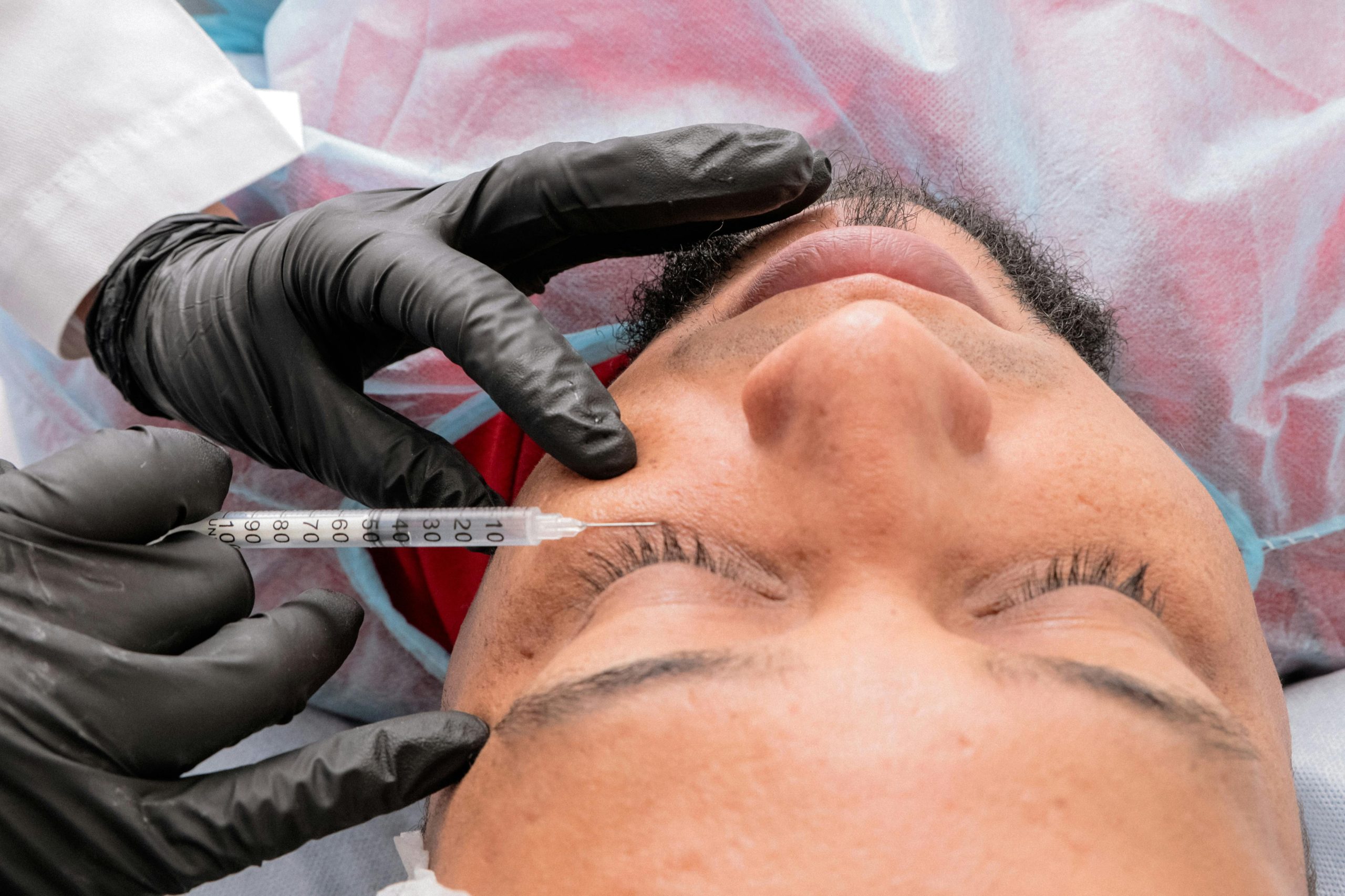
Under-eye polynucleotides are the most popular version of the treatment in Liverpool, and the area where the before and after change is easiest to see. The skin under the eyes is among the thinnest on the body, with very little oil and almost no fat beneath it, so it shows tiredness, dehydration and ageing early. Thickening that skin makes a visible difference to how rested you look.
Polynucleotides respond best to three under-eye concerns. Crepey texture and fine lines soften as the skin becomes firmer and more hydrated. Grey or bluish shadowing caused by thin skin fades as the skin becomes less see-through. Mild early hollowing can look softer, because better skin quality reflects light more evenly. Lumi Eyes, a dedicated under-eye product that combines polynucleotides with PDRN and hyaluronic acid, is formulated for exactly this area.
There are limits, and a good consultation is honest about them. Brown pigment under the eyes is not caused by thin skin, so it needs pigment treatment rather than polynucleotides. A deep tear trough, where volume has been lost and a groove has formed, needs support that polynucleotides cannot provide, and tear trough filler may be the better choice. Many patients do best with polynucleotides first to improve the skin, then a small amount of filler if a hollow remains.
The question of why eyes can look worse after polynucleotides has a simple answer. For the first day or two, the bumps and mild swelling sit right where you are looking, and the skin has not yet started to change. That early stage is temporary, and it is why the clinic books your review weeks later rather than days later.
Polynucleotides Before and After on the Face and Neck

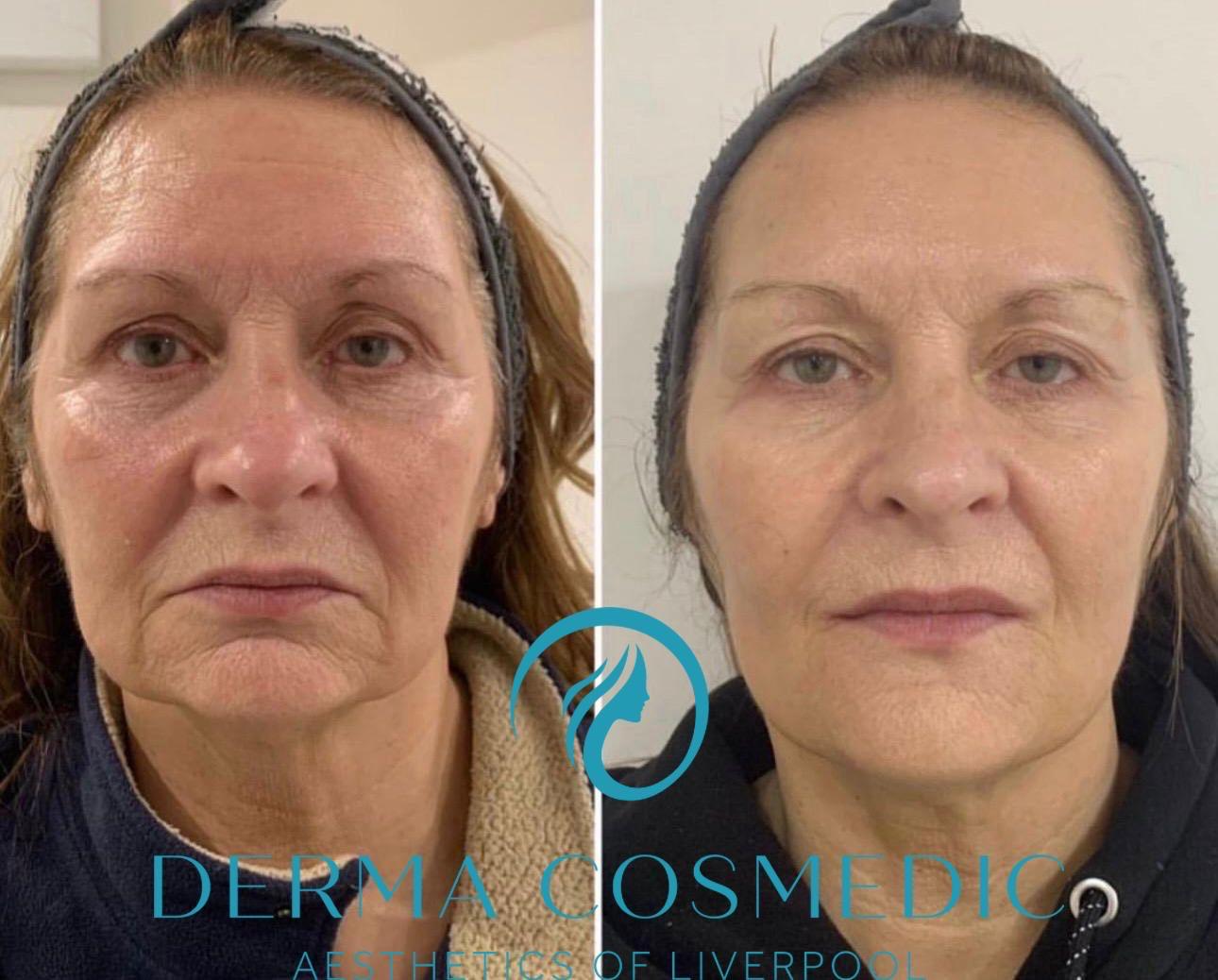
On the full face, polynucleotides improve the quality of the skin rather than its shape. The before and after change shows as smoother texture, finer pores, more even tone and skin that looks plumper and better hydrated. Fine lines caused by dehydration soften, and makeup tends to sit better on the skin’s surface.
This patient had a course of polynucleotides alongside a single HIFU non-surgical face lift between December 2025 and March 2026. The polynucleotides improved the skin’s texture and brightness, while HIFU worked deeper to tighten and lift. Combining treatments in this way is common, because each one targets a different layer, and the clinic always explains which part of a result comes from which treatment.
The neck often ages ahead of the face, with horizontal lines and loose, crepey texture that creams do little for. Polynucleotides improve neck skin in the same way as under-eye skin, by thickening and hydrating it, and many patients treat the face and neck together in the same appointment. The décolletage and backs of the hands respond well too, particularly where sun damage has left the skin thin and lined.
“I’ve been having treatments at Derma Cosmedic since April, including polynucleotides, HIFU, and skin boosters, and I can honestly say the results have been fantastic. My skin feels healthier, looks plumper, and there’s a real difference in both the texture and overall appearance.”
Gill Seasman, Google Review
Polynucleotides Immediately After: Bumps, Swelling and Bruising
Knowing what is normal straight after treatment takes the worry out of the first few days. Polynucleotides are injected into the skin as a series of tiny deposits, and each one leaves a small raised bump that looks a little like a mosquito bite. These bumps are expected. They usually flatten within 24 hours as the product disperses into the skin.
Mild redness and tenderness at the injection points are common for the rest of the day. Some people get small pinprick bruises, especially under the eyes, where the skin is thin and the blood vessels sit close to the surface. Bruising normally fades within a week and can be covered with makeup after the first 12 hours. Swelling under the eyes can make the area look slightly puffy for a day or two, which is the stage when patients sometimes feel their eyes look worse than before.
Serious complications are rare when polynucleotides are placed by a trained medical injector. Contact the clinic if a lump has not settled after a few days, if swelling increases, or if you notice heat, spreading redness or pain.
What Happens at a Polynucleotide Appointment in Liverpool

A polynucleotide session is short and straightforward, and most people return to work or normal plans the same day. The appointment follows the same steps each time, so you know exactly what to expect from your first visit to your last.
Your polynucleotide appointment, step by step
- Consultation: your skin and medical history are assessed, a fish allergy is ruled out and photographs are taken.
- Planning: the number of sessions and treatment areas are agreed, usually three sessions two to three weeks apart.
- Numbing: a numbing cream is applied if needed, although many patients find the under-eye very tolerable without it.
- Treatment: small amounts are placed into the skin with a fine needle or cannula, taking around 30 minutes.
- Aftercare: you leave with written aftercare and your next session booked.
- Review: progress is compared with your starting photographs once the course is complete.
Most patients describe the sensation as brief stinging as each point is placed, followed by mild tenderness. Aftercare is simple: avoid makeup on the area for 12 hours, skip the gym, sauna and alcohol for 24 hours, and sleep on your back on the first night if your under-eyes were treated. Completing the full course is what produces the result in the before and after photos, so it is worth booking all three sessions at the start.
How Many Polynucleotide Sessions Do You Need and How Long Do Results Last?
Most people need a course of three sessions, spaced two to three weeks apart. A single session gives the skin one repair signal, which produces a modest change that fades sooner. Three sessions build on each other, so the collagen response is stronger and the result lasts longer. Very thin or sun-damaged skin occasionally benefits from a fourth session, and your practitioner will recommend this only if your review shows it would help.
Results from a full course usually last six to nine months, and under-eye results with Lumi Eyes can last up to twelve months. Because the improvement is your own collagen rather than a product sitting in the skin, it fades gradually as natural ageing continues rather than disappearing suddenly. A single top-up session every six to nine months is usually enough to hold the result.
Polynucleotides are worth it for the right concern. If your main complaint is thin, crepey or tired-looking skin, particularly under the eyes, they are one of the most effective non-surgical options available. If you want an instant change in shape or volume, they will feel too subtle on their own, and a different treatment or a combination plan will suit you better.
Polynucleotides vs Profhilo and Skin Boosters: Which Suits Your Skin?
Polynucleotides are often compared with Profhilo, skin boosters and tear trough filler, because all four improve the way skin looks around the eyes and face. They work in different ways, and the right choice depends on whether your main concern is skin quality, hydration or lost volume.
| Treatment | How it works | Best for | Typical course |
|---|---|---|---|
| Polynucleotides | Repair signal that stimulates collagen, elastin and hydration | Thin, crepey skin, under-eye shadowing, reactive skin | 3 sessions, 2 to 3 weeks apart |
| Profhilo | High-concentration hyaluronic acid that spreads under the skin and remodels it | Laxity and dehydration across the face and neck | 2 sessions, 4 weeks apart |
| Skin boosters | Fine hyaluronic acid placed through the skin to hydrate it | Dull, dehydrated skin and fine lines | Usually 2 to 3 sessions |
| Tear trough filler | Hyaluronic acid gel that replaces lost volume | Deep grooves and hollows under the eyes | Usually 1 session, with a review |
In practice, these treatments are rarely either-or. Polynucleotides are the strongest choice for the quality of the skin itself, Profhilo and skin boosters are strongest for hydration and early laxity, and filler is the only option that replaces volume. A common plan at the Liverpool clinic is a course of polynucleotides for the under-eyes alongside Profhilo for the wider face, which treats skin quality and hydration together.
Who Polynucleotides Suit and When Another Treatment Is Better

Polynucleotides suit adults whose main concern is the quality of their skin rather than its shape. They work well from the late twenties onwards as a preventative treatment, and they are just as useful in later life, when skin has become thinner and drier. Because the result is gradual and natural, they suit people who do not want anyone to notice they have had treatment.
Polynucleotides are generally suitable for
- thin, crepey or dehydrated skin under the eyes, on the face or on the neck
- grey or bluish under-eye shadowing caused by thin skin
- early loss of firmness, where filler would look heavy
- skin recovering from sun damage, or sensitive skin that reacts to stronger treatments
They are not suitable if you
- have a known allergy to fish or fish-derived products
- are pregnant or breastfeeding
- have an active infection or inflammation in the treatment area
- have an autoimmune condition without medical clearance
If your concern is mainly volume loss, deep folds or significant sagging, polynucleotides alone will not give you the change you want. Those concerns are better treated with filler, HIFU or Profhilo, sometimes alongside a course of polynucleotides for skin quality. A consultation looks at the cause of each concern, so you are recommended the treatment that fits it rather than the most popular one.
Polynucleotides Cost in Liverpool
Polynucleotides are priced per area and per session at Derma Cosmedic. Because they work as a course, the cost of a full plan matters as much as the price of a single visit, and under-eye treatment with Lumi Eyes has its own course price.
| Treatment area | Price per session |
|---|---|
| Lumi Eyes (under-eye polynucleotides) | £199, or £550 for a course of 3 |
| Polynucleotides, eyes | £238.80 |
| Polynucleotides, full face | £300 |
| Polynucleotides, neck | £354 |
| Polynucleotides, full face and neck | £598.80 |
| Polynucleotides, face, neck and chest | £838.80 |
Most patients book a course of three sessions, and pricing for a course booked in advance is confirmed at your consultation. Payments can be spread with Klarna. A single top-up session every six to nine months keeps the result, which makes polynucleotides easier to plan for than treatments that need frequent maintenance.
Price is worth comparing, but it should not decide an injectable on its own. The price covers a medical assessment, a genuine product from a regulated supplier, a trained injector and proper aftercare, and unusually low prices often mean one of those is missing.
Polynucleotide Treatment in Liverpool at Derma Cosmedic
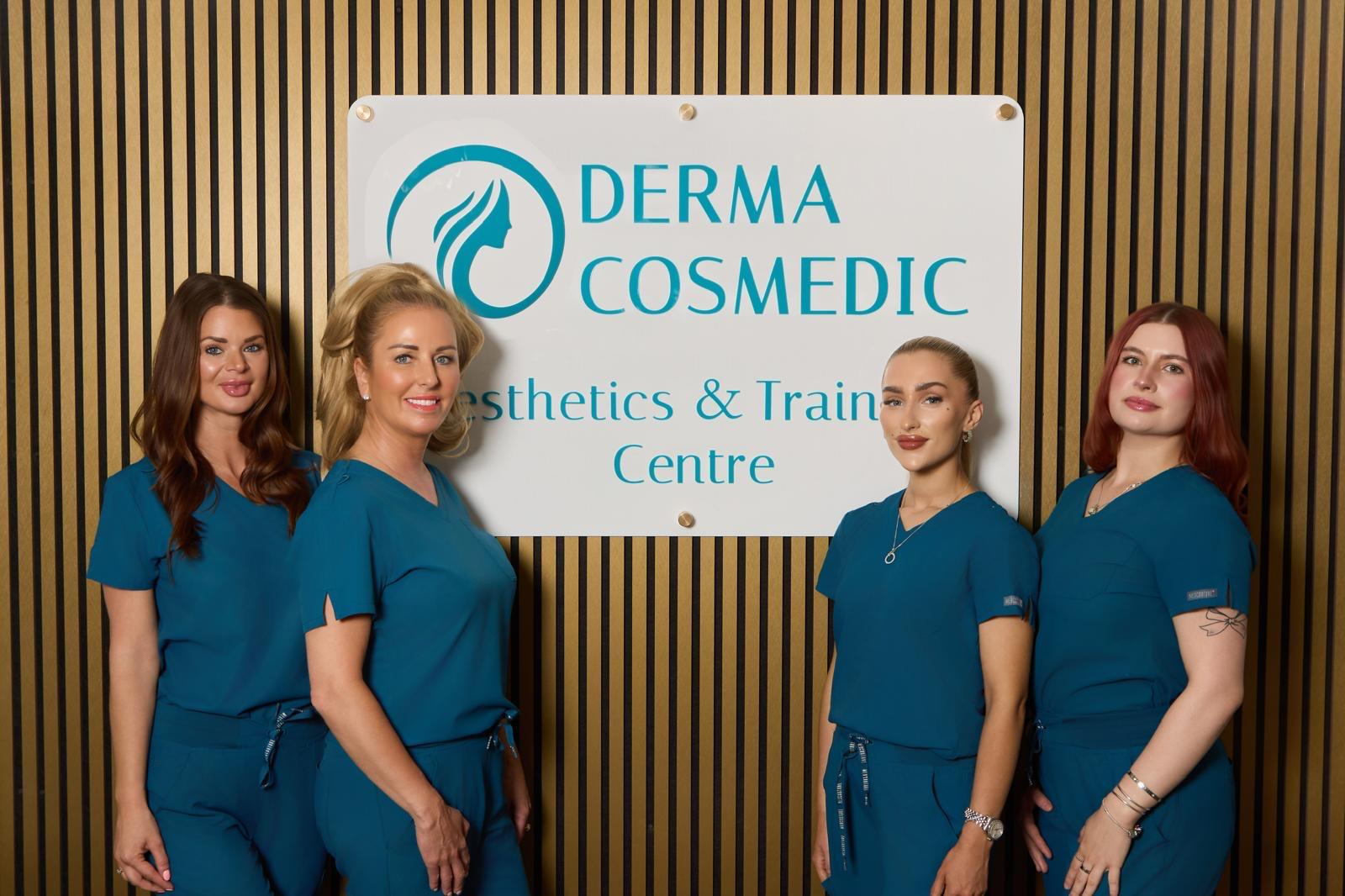
Derma Cosmedic is a medically-led aesthetic clinic at 6-8 Castle Street in Liverpool city centre, a five-minute walk from the central stations. Polynucleotides are delivered by qualified injectors under the lead of Catlin, a Level 7 aesthetic practitioner with a degree in aesthetic medicine, and every course starts with a full consultation and baseline photographs.
The clinic holds a 4.9-star Google rating from 89 reviews and was named in the UK Top 7 for Best Non-Surgical Face-Lift at the 2025 Beauty and Aesthetics Awards. Patients travel from across Merseyside, including Wirral, Crosby, Southport, St Helens and Warrington, as well as from Cheshire. The NHS guidance on cosmetic procedures is a useful reminder to check that anyone injecting your skin is properly qualified and insured.
Book Your Polynucleotide Consultation in Liverpool
Find out what polynucleotides could do for your under-eyes, face or neck. An honest assessment, real before and after results and a clear price. 6-8 Castle Street, Liverpool L2 0NB.
Call: 0151 203 7988 | Mon-Fri 9am-6pm, Sat 10am-4pm